
Auto Warranty Scam Alert: Fake Renewal Robocall
August 14, 2026
Bank of America Scam Alert: Fake $1,000 Fraud Call
August 17, 2026
Fake QR Code Scams Are Turning Everyday Links Into Traps
In a recent FOX 10 Phoenix interview, Nomorobo Managing Director Matt Mizenko explained how scammers are taking something people use every day, the QR code, and turning it into another way to steal money and personal information.
The conversation followed a warning about fraudulent QR codes circulating in connection with the Nancy Guthrie investigation. Scammers were attempting to take advantage of public interest in the case by directing people to a fake donation website.
That is what makes this scam especially effective: the QR code may look harmless, but you cannot immediately see where it is taking you.
Watch Matt Mizenko explain how QR code scams work, why scammers are constantly changing tactics, and what consumers can do to protect themselves.
See the full breakdown below or click here to see it on Youtube.
How a QR Code Scam Works
QR codes are convenient because they remove a step. Instead of typing a web address, you point your phone at a code and tap.
Scammers are taking advantage of that convenience.
In the example discussed during the interview, scammers used interest in a highly publicized investigation to encourage people to scan a QR code and send money.
The scam works because victims may react emotionally before stopping to ask an important question:
Would this organization actually be asking me for money this way?
That moment of hesitation can make all the difference.
A Fake QR Code Can Look Completely Normal
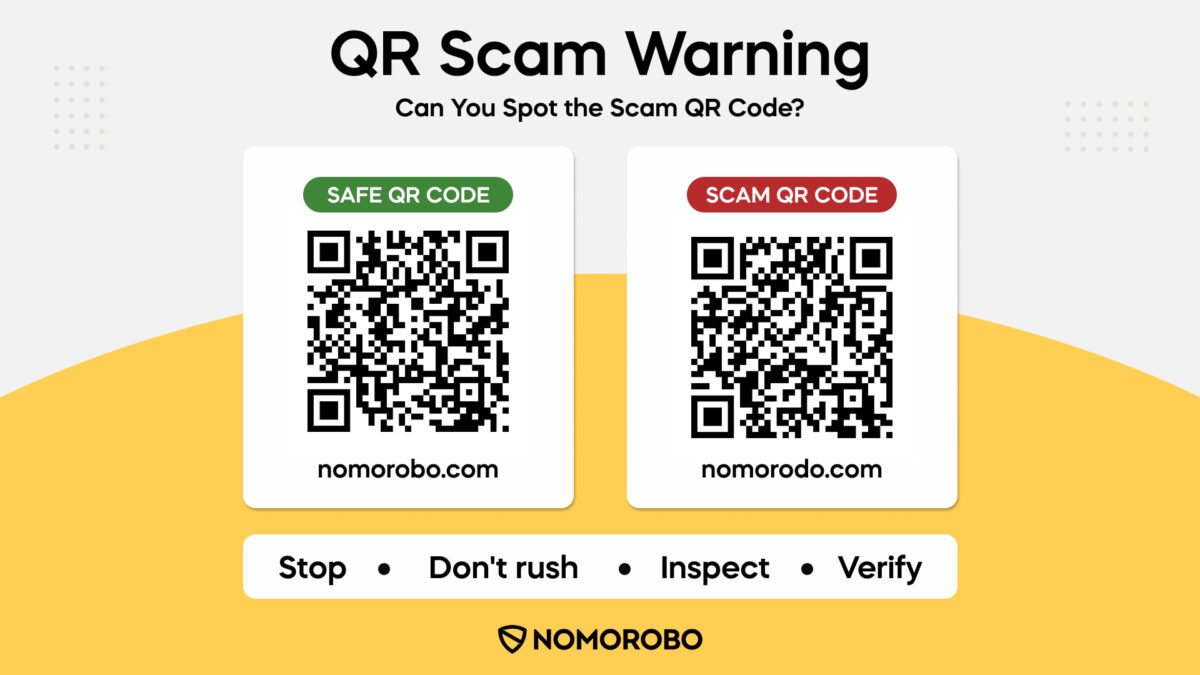
There does not have to be anything obviously suspicious about the QR code itself.
As Matt explained, scammers can create codes that lead to fake websites or payment pages designed to look legitimate. They can also place a sticker containing a fraudulent QR code directly over a real one.
Imagine sitting at a restaurant, scanning what looks like the QR code to pay your bill, and being sent to a convincing copy of the restaurant’s payment page.
You think you paid the restaurant.
Instead, you paid a scammer.
Malicious links can also lead to pages that attempt to collect personal information, payment credentials, or prompt you to download unwanted software.
Scammers Know How to Get You to Act Quickly
QR codes are only the delivery method.
The real weapon is often psychological pressure.
Matt explained that organized scammers operate with carefully practiced tactics. They frequently rely on:
- Urgency: Act immediately before something bad happens.
- Emotion: Help someone, support a cause, or respond to a frightening situation.
- Trust: Impersonate a government agency, company, restaurant, or recognizable organization.
- Fear of loss: Pay now or face financial, legal, or personal consequences.
These are many of the same tactics scammers already use in robocalls and scam texts.
The technology changes.
The manipulation often does not.
Why Scammers Target Older Americans
During the interview, Matt also discussed how scammers deliberately target groups they believe may be especially receptive to certain pitches.
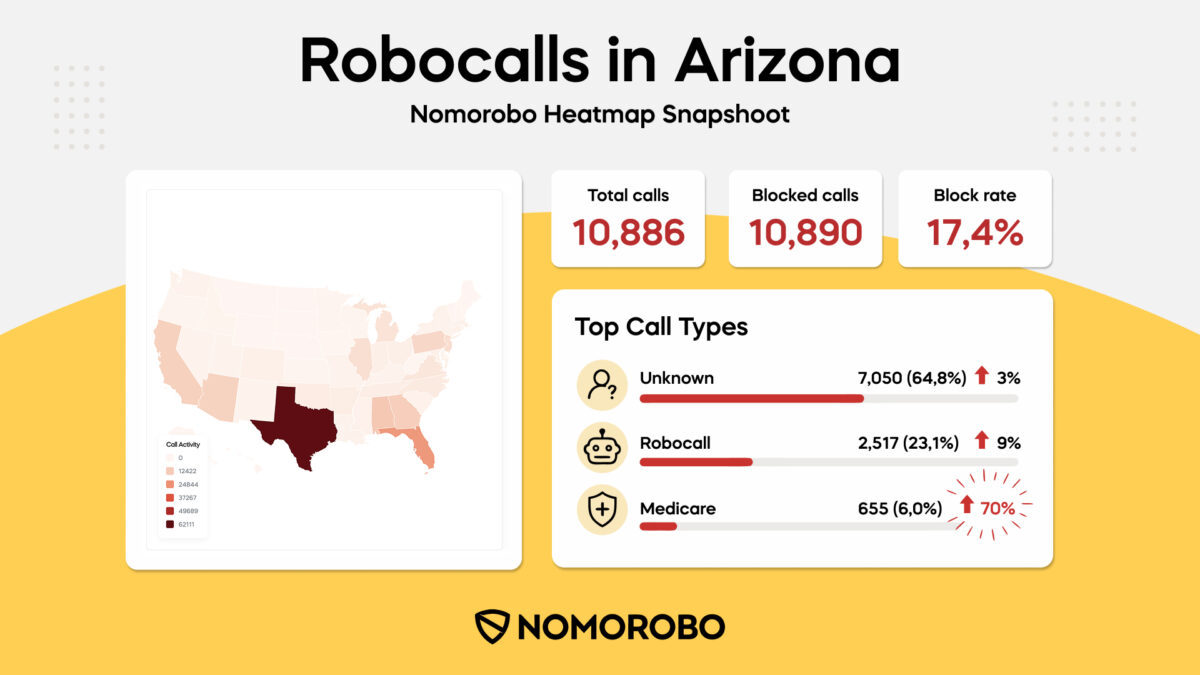
In Arizona, for example, scams involving Medicare, insurance, and other services aimed at older adults are common targets because scammers understand the demographics they are trying to reach.
The key lesson is that scam campaigns are rarely random. Fraudsters adjust their messages based on who they are targeting and what is most likely to get that person to respond.
How to Protect Yourself From QR Code Scams
Before scanning a QR code, consider where it came from and what it is asking you to do.
If the code involves a payment, donation, account login, or personal information, take an extra moment to verify it.
A few simple precautions can help:
- Avoid QR codes from unfamiliar flyers, posts, messages, or stickers.
- Check physical QR codes for stickers placed over the original code.
- Review the website address before entering information or making a payment.
- Type the organization’s official website into your browser instead of using the QR code when possible.
- Do not let urgency or emotion pressure you into paying immediately.
- If something feels wrong, close the page and verify the request independently.
The same rule applies to suspicious phone calls.
If someone unexpectedly asks for money or sensitive information, hang up and contact the organization using a phone number or website you know is legitimate.
Think that QR code looks suspicious?
Scam Tactics Keep Changing
As Matt explained during the interview, scammers have evolved from robocalls to scam texts and now to tactics involving QR codes and other tools built into our phones.
That means scam prevention cannot be about recognizing one specific script.
It is about recognizing the tactics behind it.
Be skeptical of unexpected requests. Verify before you pay. And when someone tries to make you act before you have time to think, that is usually your cue to slow down.
From robocalls to scam texts, fraudsters are always looking for a new way to reach you.
Get protected with Nomorobo and help stop unwanted robocalls and scam calls before they reach you.