
Robocalls Keep Rising Despite Laws and Lawsuits
April 21, 2026
Tax Season Scams Are Flooding Phones
April 28, 2026
Nomorobo Catches Scammers Live on Camera
Recent report from ABC Philadelphia shows how scammers operate and how they can be stopped in real time.
With the help of Nomorobo, a phone call and text message blocking service, reporters were able to intercept live scam calls and confront fraudsters directly.
See the full breakdown below or click here to see it on Youtube.
Nomorobo Catches Scammers in the Act
Nomorobo, a service designed to block unwanted calls and messages, demonstrated how it protects consumers from spam, scam, and fraud calls.
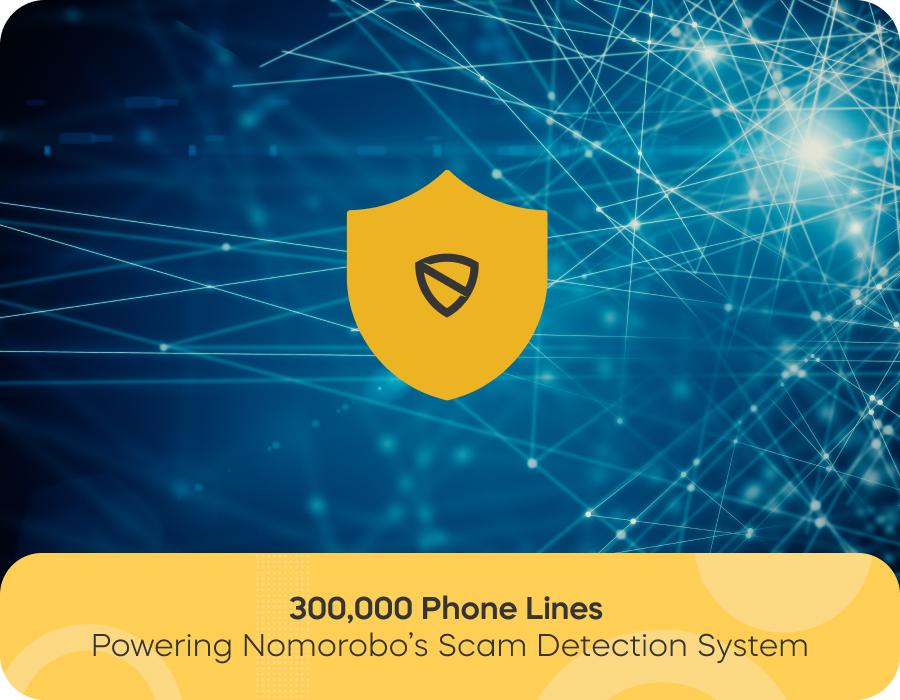
At the core of the system is what Nomorobo calls its “honeypot” a network of approximately 300,000 phone lines.
These numbers are not assigned to real people. So when they receive a call, it’s a strong signal that the call is likely fraudulent.
Software connected to these lines monitors activity and can even intercept suspicious calls in real time.
A Live Scam Interception
During a live demonstration, reporters witnessed how quickly scam calls can be detected.
Within seconds of connecting to the system, two calls were intercepted. In one case, a caller was attempting to sell final expense insurance policies.
When confronted by a reporter identifying herself, the caller immediately hung up offering a clear example of how these operations often avoid scrutiny.
Why This Matters
This type of monitoring allows Nomorobo to identify scam patterns and stop calls before they reach consumers.
The company’s real-time detection system plays a key role in helping users avoid fraudulent interactions and potential data theft.
Learn more about how Nomorobo tracks scams and provides guidance through its Fraud Fighters resource:
👉 https://www.nomorobo.com/fraudfighters
Common Scam Tactics to Watch
The report also highlights one of the most common scams circulating right now: fake delivery messages.
These messages often claim a package is on the way and prompt users to click a link.
However, the message is not from the original retailer. Clicking the link may:
- Install malware on your device
- Expose personal information
- Give scammers access to sensitive data
Why You Should Never Click Suspicious Links
Experts warn that interacting with these messages, even just clicking a link, can open the door to fraud.
Consumers are encouraged to avoid engaging with unexpected messages and to verify any delivery information directly through the retailer.
For additional reporting and consumer protection guidance, visit the Federal Trade Commission:
👉 https://reportfraud.ftc.gov
A Focus on Awareness
The demonstration took place during last Fraud Awareness Week, an effort to help consumers recognize and avoid scams.
Nomorobo also highlighted a limited-time offer tied to the event, giving users access to its spam-blocking service.
As scams continue to evolve, real-time detection and consumer awareness remain essential tools in staying protected.