
QR Code, Bank & Local Number Scams | Nomorobo
September 28, 2026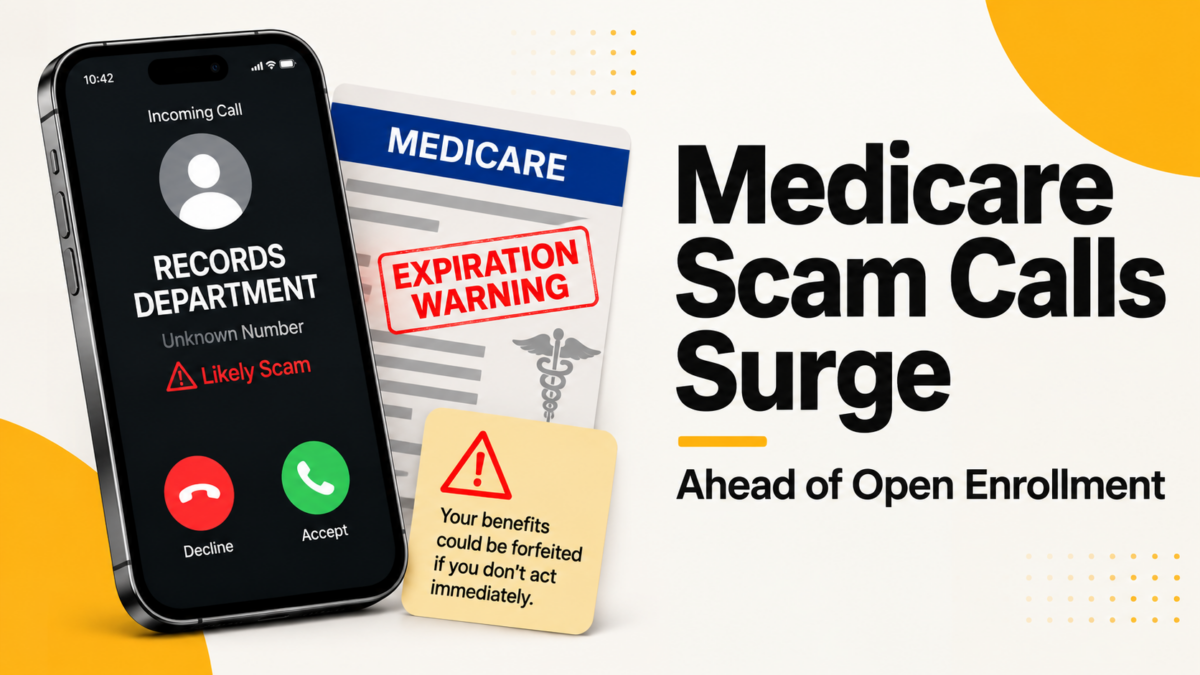
Medicare Scam Calls Surge Ahead of Open Enrollment
Medicare Open Enrollment is approaching, and scammers are already ramping up their efforts.
According to Nomorobo's latest honeypot research, Medicare-related spam and scam calls increased 25% between August and September 2026, even before the official enrollment period begins.
From aggressive insurance sales pitches to fake expiration warnings, callers are using fear, urgency, and official-sounding language to pressure consumers into responding.
Here's what Nomorobo is seeing and how you can protect yourself.
Medicare Robocalls Are on the Rise
Each year, Medicare's Open Enrollment period runs from October 15 through December 7, giving beneficiaries an opportunity to review their coverage and explore available plans.
Unfortunately, this period also attracts a wave of unwanted robocalls from aggressive insurance lead generators and scammers looking to obtain personal information or money.
Nomorobo's 2025 honeypot data shows just how significant this seasonal increase can be. Medicare-related call volume climbed from approximately 190,000 in August to 450,000 in October and 465,000 in November, before falling back to 190,000 in December.
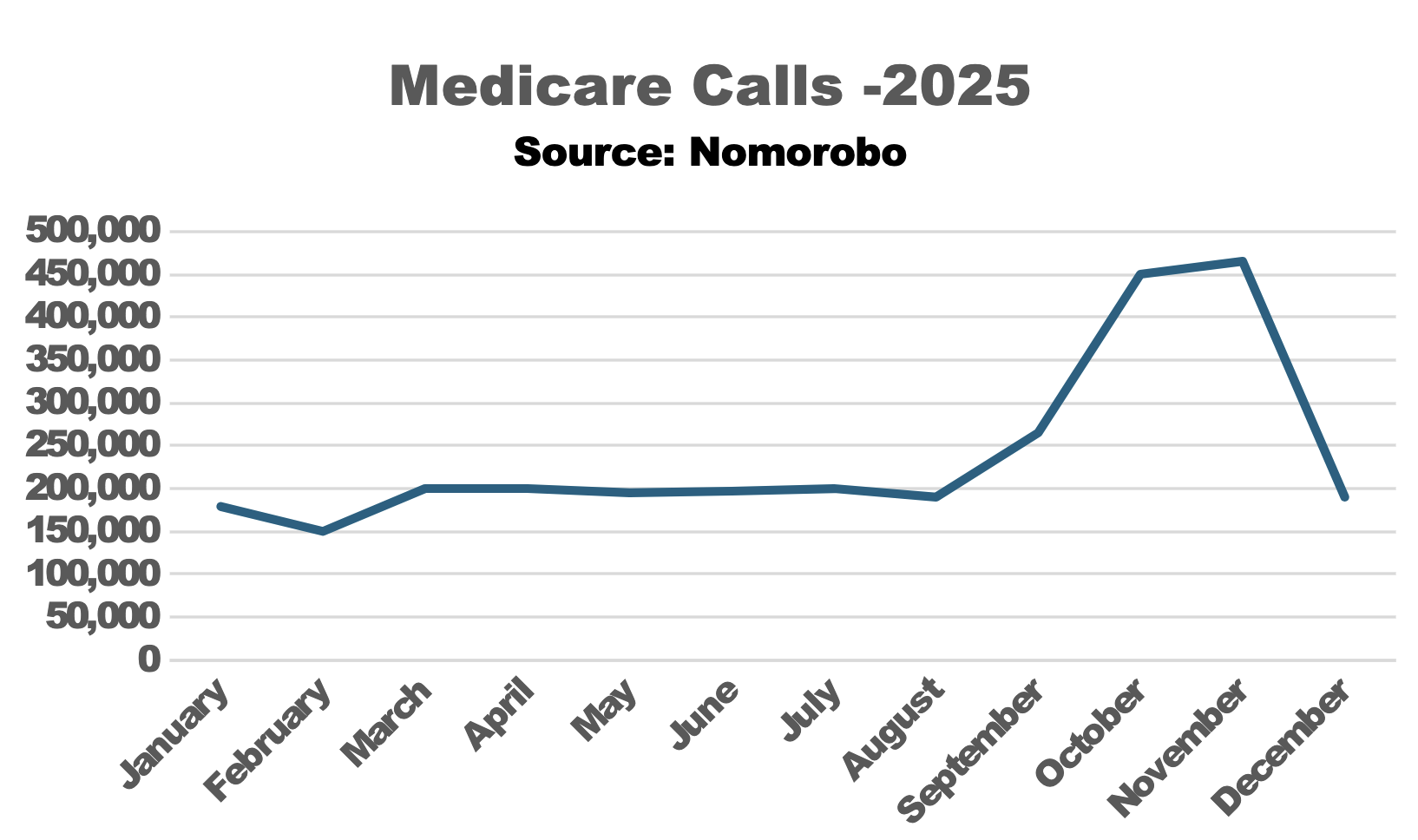
And the pattern is already emerging again.
Nomorobo recorded a 25% increase in Medicare spam and scam calls between August and September 2026, two weeks before Open Enrollment begins.
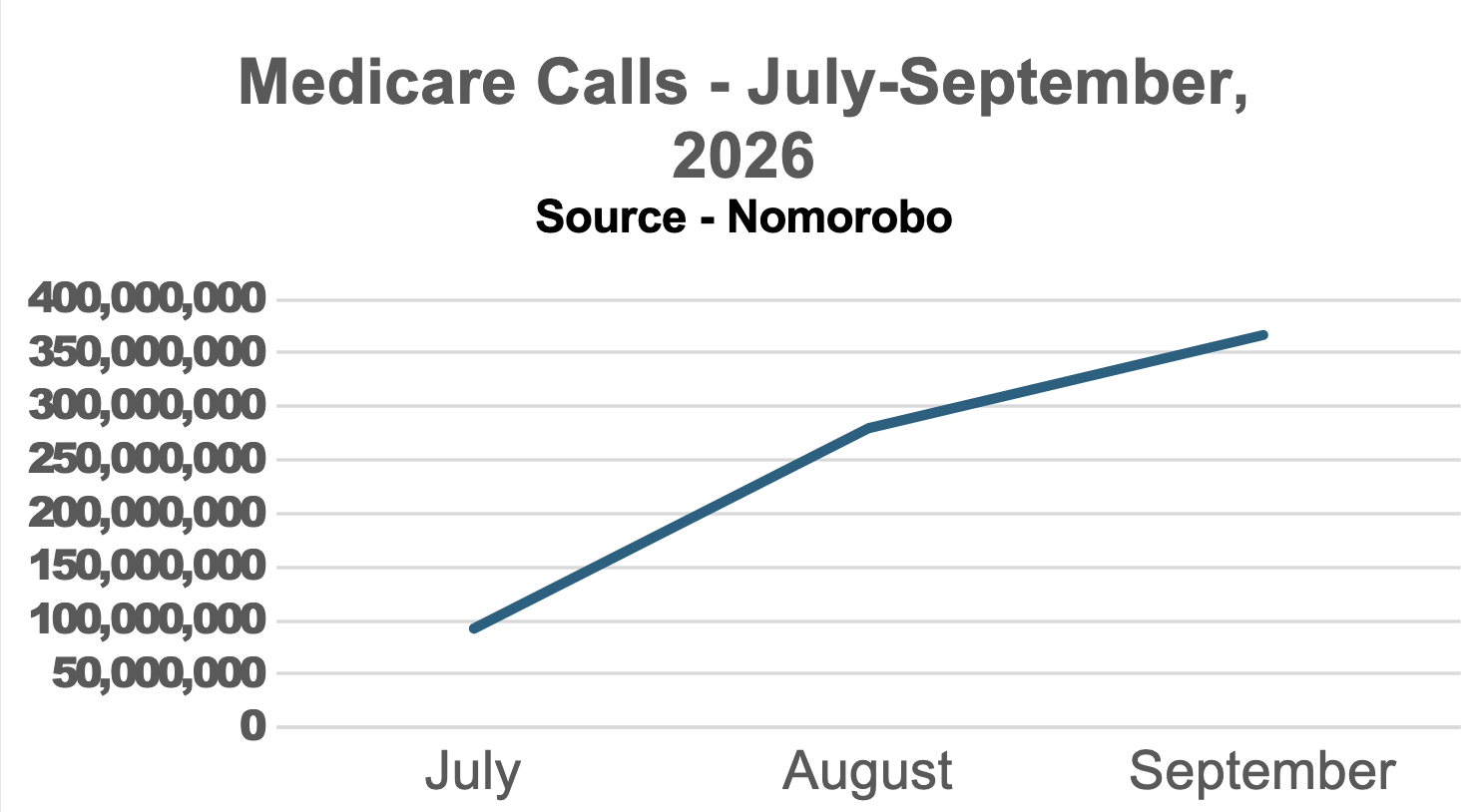
But it's not just the number of calls that's concerning. Some of the pitches are becoming increasingly aggressive, using threats of lost benefits and government impersonation to frighten consumers into cooperating.
Watch and Learn: The Fake Medicare Expiration Scam
In one recent call captured by Nomorobo's honeypot, a woman introducing herself as Adriana from the records department claims that the recipient's Medicare file has reached a final expiration warning.
She warns that unless immediate action is taken, their grocery allowance and Social Security givebacks could be permanently revoked, with allocated funds handed over to someone else in their ZIP code.
"Your Medicare file is sitting here on my desk with a final expiration warning on it."
The caller presents herself as someone trying to help prevent the loss of benefits before asking whether the recipient currently has Medicare Parts A and B.
It sounds official. It sounds helpful.
It's a classic example of how scammers use fear and urgency to get people to engage with unexpected callers.
Watch our latest Behind the Scams video, which recreates this Medicare expiration warning and demonstrates a safer way to respond.
Medicare Scam Red Flags
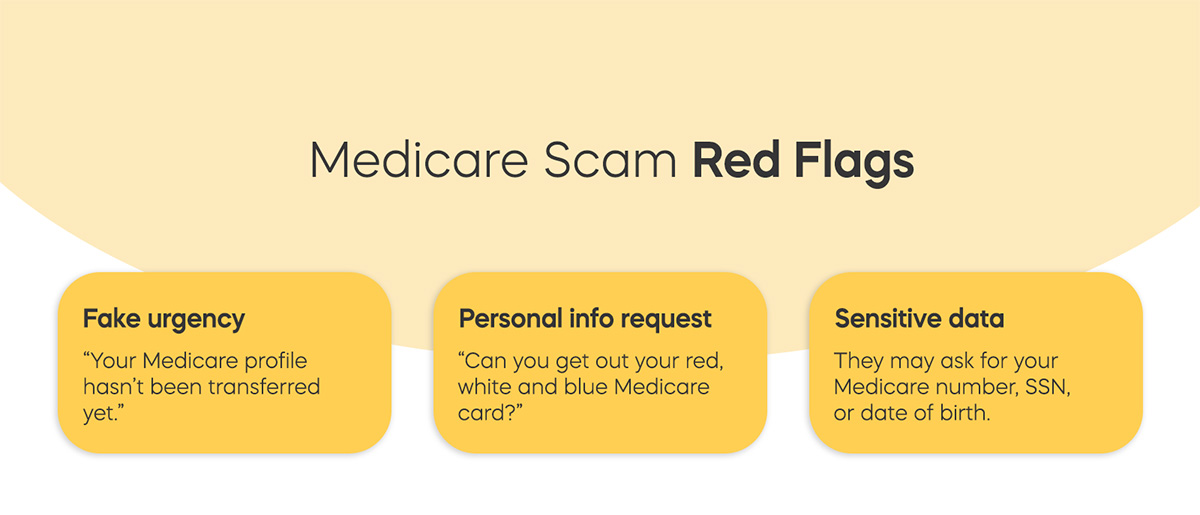
Nomorobo's research identifies four classic persuasion tactics used in this type of call:
-
Fear: The caller claims your Medicare file has a final expiration warning, creating immediate concern about your healthcare coverage.
-
Threat of loss: You're told your benefits or allocated funds could be permanently revoked.
-
Urgency: The caller pressures you to act immediately, leaving little time to verify the information.
-
Unexpected contact: Someone you didn't contact suddenly claims to represent an official department and wants to discuss your Medicare account.
Remember, scammers don't always sound aggressive. Sometimes, sounding helpful is part of the trick.
Watch Out for Aggressive Medicare Sales Calls, Too
Beyond outright scams, Nomorobo's honeypot is also detecting aggressive insurance lead-generation calls that use official-sounding names and promises of additional benefits.
In one example, a caller identifying herself as Jennifer from the "Medicare Wellness Support Team" claims that new rebate updates have been released and that some beneficiaries may be owed refunds on a rebate card.
She asks about the recipient's Medicare coverage and age before offering to connect them with a licensed specialist.
Another caller, introducing herself as Lisa from the "Medicare Benefit Review Line," claims that seniors may be missing out on monthly Part B premium reimbursements.
These calls may sound legitimate, but names like "Records Department" or "Medicare Wellness Support Team" do not establish any official connection to Medicare.
Whether the pitch involves an expiring benefit, a supposed refund, or an offer of additional coverage, always verify the caller independently before sharing information.
Fraud Fighter Pro Tip: How to Protect Yourself
If you receive an unexpected Medicare-related call, especially one threatening your benefits or requesting personal information, the safest response is simple:
Hang up. Don't share. Verify independently.
Here are a few additional precautions:
-
Keep your information private. Never share your Medicare number, Social Security number, or banking details with an unverified caller.
-
Contact Medicare directly. If you're concerned about your benefits, call 1-800-MEDICARE (1-800-633-4227).
-
Review plans through official channels. Use the Medicare Plan Finder to compare coverage, costs, doctors, and medications during Open Enrollment.
-
Report suspicious calls. Visit reportfraud.ftc.gov to report suspected fraud.
If you're happy with your current plan and its announced changes for the following year, you generally don't need to take action during Open Enrollment. Coverage will ordinarily renew automatically, provided your plan continues to be offered and you remain eligible.
How Nomorobo Helps
Medicare impersonation scams rely on getting someone on the phone and keeping them engaged long enough to create confusion or panic.
Nomorobo helps protect consumers from unwanted robocalls and phone scams, reducing opportunities for scammers to reach you in the first place.
Visit our Fraud Fighters page to explore more examples of scams hitting American phone lines and learn how to recognize their tactics.
Don't panic. Don't share. Hang up and verify.
Get Nomorobo and help protect your phone from unwanted robocalls and scams.