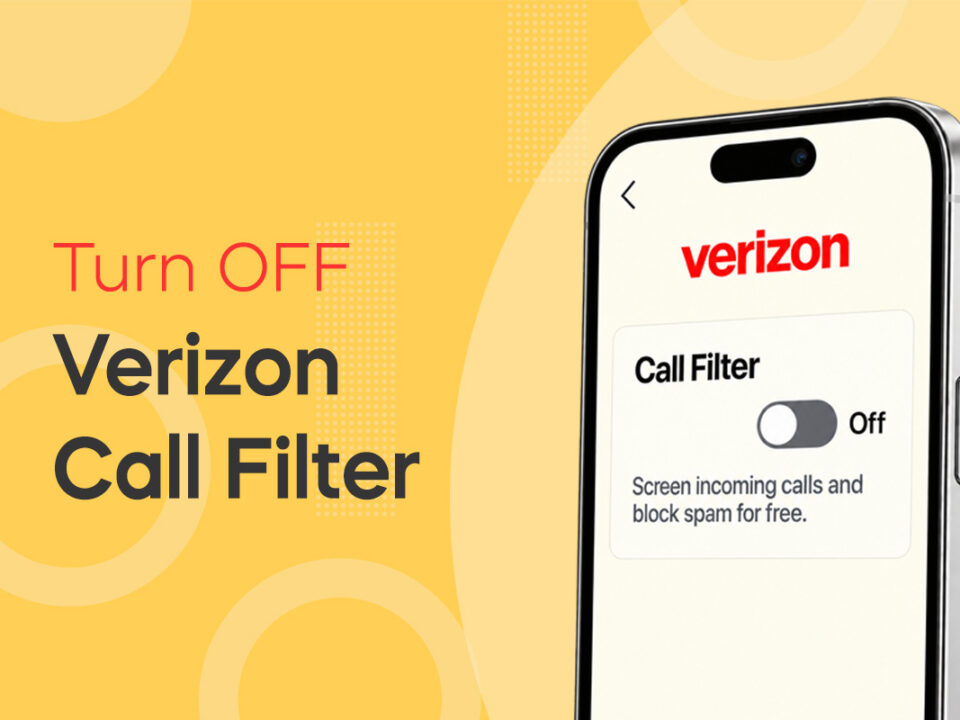
How to Turn Off Verizon Call Filter Before Setting Up Nomorobo
September 10, 2026
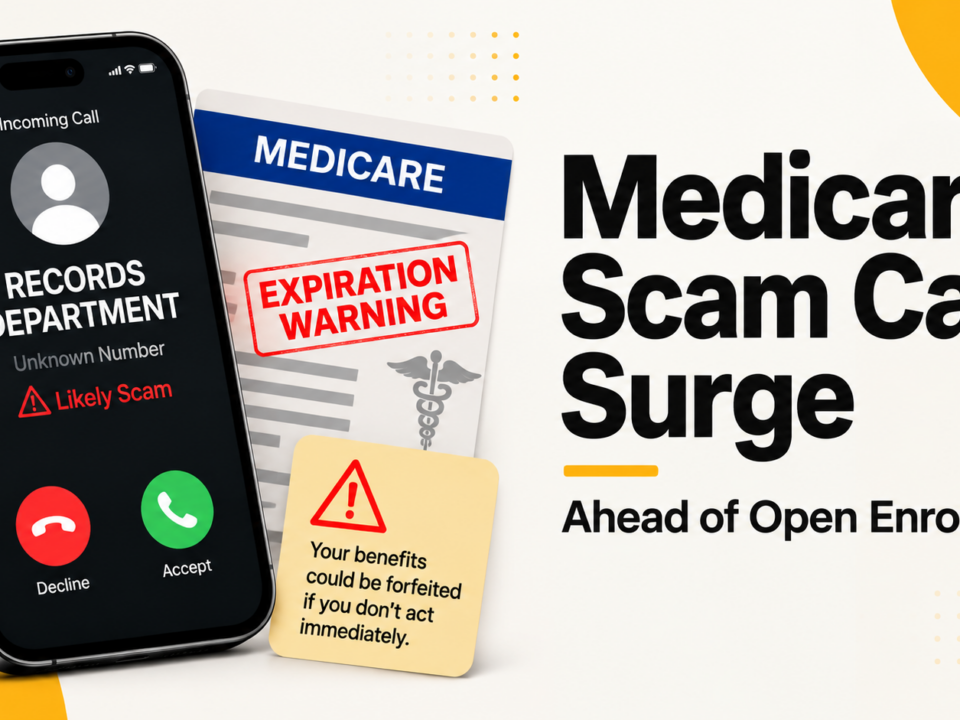
Medicare Scam Calls Surge Ahead of Open Enrollment
September 29, 2026
QR Codes, Fake Bank Calls & Local Number Scams: What to Watch For
A QR code at a parking meter. A call that appears to come from your local area code. A bank representative who already knows your name, address and birthday.
All three can feel completely normal. And that's exactly what makes them useful to scammers.
In a recent TV interview, Nomorobo Managing Director Matt Mizenko explained how scammers are turning familiar, everyday interactions into opportunities to steal money and personal information.
From fake QR codes pasted over legitimate ones to sophisticated bank impersonation calls, here are the warning signs consumers need to know.
See the full breakdown below or click here to see it on Youtube.
QR codes became part of everyday life during the pandemic. Restaurants, parking systems, payment terminals and businesses adopted them as an easy, contactless way to open websites and make payments.
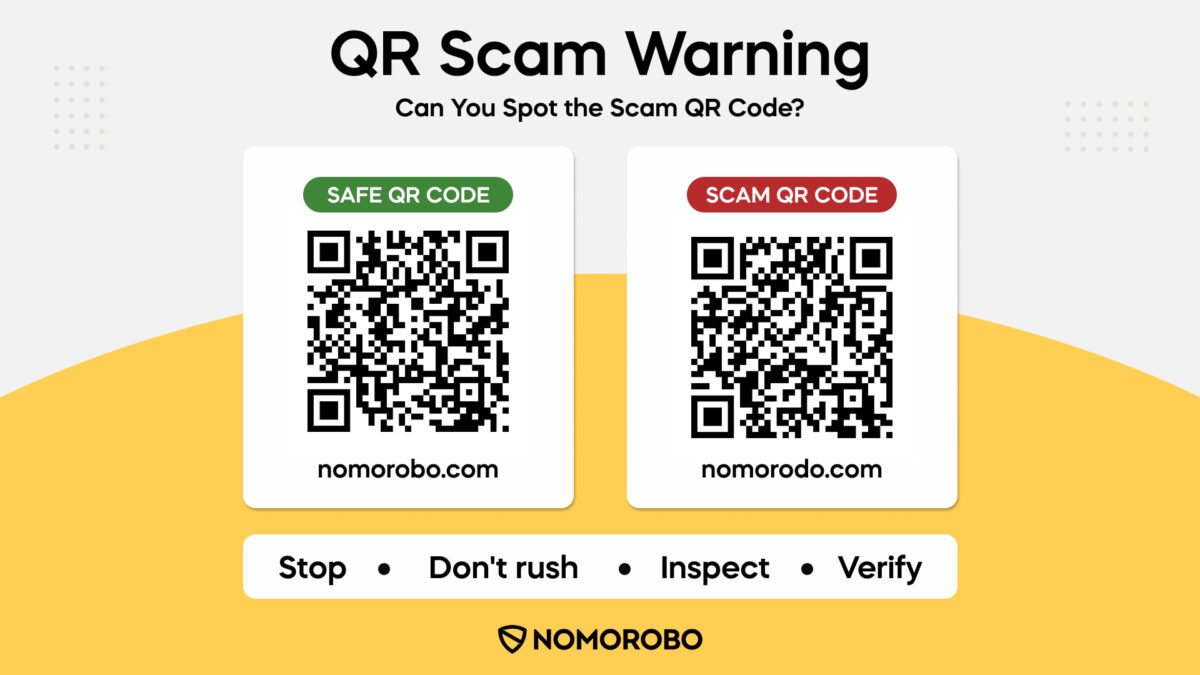
The problem? You can't tell where a QR code leads just by looking at it.
Scammers can print their own QR code sticker and place it directly over a legitimate one. A person trying to pay for parking or a meal scans it, sees a website that looks convincing and enters payment information without realizing they've been redirected.
As Matt explained, the fraudulent site may differ from the real one by only a letter or another small detail in the URL.
And when you're standing next to a parking meter trying to get somewhere on time, carefully inspecting a URL probably isn't the first thing on your mind.
Before You Scan a QR Code
Take a few extra seconds before making a payment.
-
Check whether the QR code appears to be a sticker placed over another code.
-
Look carefully at the website address before entering information.
-
Watch for misspellings or slightly altered company names.
-
When possible, use the company's official app or manually visit its website instead.
-
Don't assume a QR code is legitimate just because it's posted in a familiar location.
A little skepticism can save you from paying the scammer and still owing the real parking fee.
Fake Bank Calls Are Becoming More Convincing
Bank impersonation scams aren't new. What's changing is how much information scammers may already have before they call.
Personal information exposed through data breaches can give criminals details that make an impersonation attempt sound remarkably legitimate.
Instead of asking for your name and address, a scammer may already know them.
They might say:
"Am I speaking with John Doe at 123 Main Street?"
Then they may confirm another piece of information, such as your date of birth, before warning you about supposed suspicious activity on your bank account.
That creates credibility.
Then comes the important part of the scam.
Never Give a Caller Your Verification Code
The caller may claim they need to verify your identity and tell you they're sending a security code to your phone.
The code arrives while you're still speaking with them.
They ask you to read it back.
Don't.
That verification code may be exactly what the scammer needs to access or take control of your account.
The fact that someone knows personal information about you does not prove they're calling from your bank.
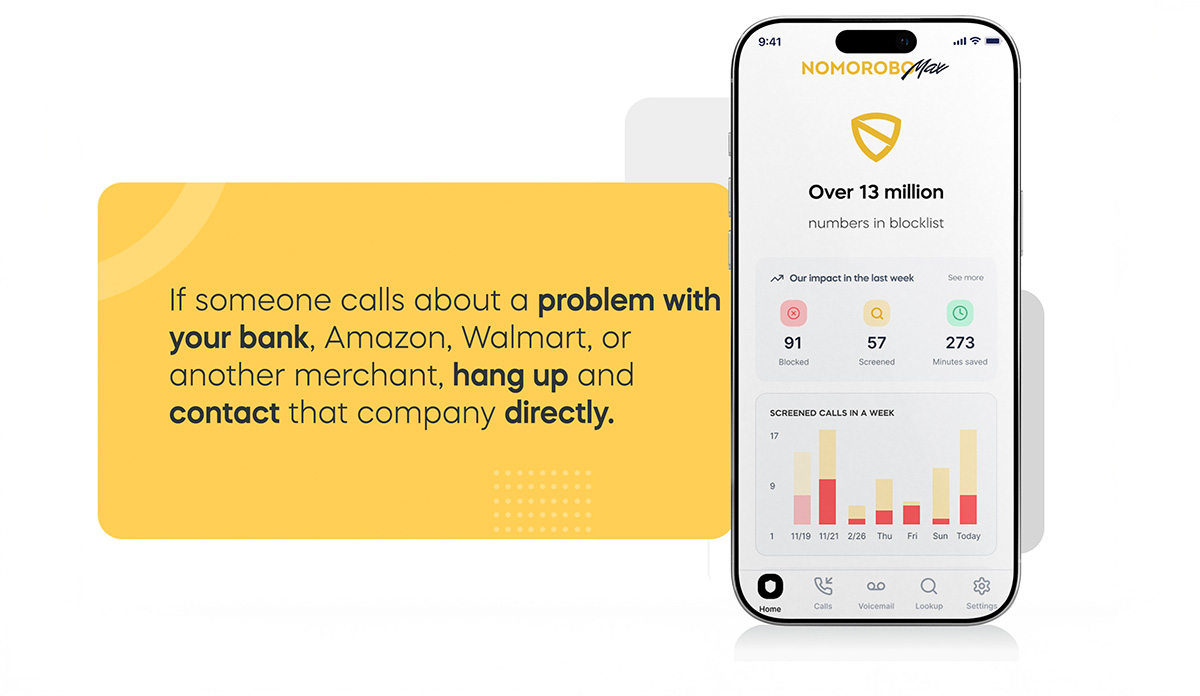
If you receive an unexpected call claiming there's a problem with your account, hang up. Then contact your bank yourself using the number printed on your card, inside the bank's official app or on its official website.
Never use a phone number provided by the unexpected caller.
Why Does That Unknown Number Look Local?
There's another familiar trick scammers use to get people to answer: area code spoofing.
The incoming number shares your area code, so your first thought might be:
Maybe it's my child's school.
Maybe it's the repair company.
Maybe it's a local business.
That's the point.
Caller ID information can be manipulated to make a call appear local even when the person or operation behind it is somewhere else.
Nomorobo's 2025 data found that 74% of robocalls used area code spoofing, up from about 41% in 2021. A local-looking number simply isn't the trust signal it once was.
Three Familiar Situations, One Scam Playbook
QR codes, bank calls and local numbers may seem like completely different threats.
But the strategy behind them is remarkably similar.
Scammers take something you already recognize and trust, then use that familiarity to lower your guard.
A QR code looks routine.
A bank representative knows your address.
A phone number looks local.
None of those things, by themselves, prove you're dealing with someone legitimate.
The best defense is to slow the interaction down and verify it through a channel you control.
Stop Scam Calls Before They Get the Chance
Scammers are constantly changing their tactics, but you don't have to fight every unwanted call yourself.
Nomorobo helps identify and block unwanted robocalls and phone scams before they can reach you.
Protect your phone with Nomorobo and give scammers fewer chances to get through.
From robocalls to scam texts, fraudsters are always looking for a new way to reach you.
Get protected with Nomorobo and help stop unwanted robocalls and scam calls before they reach you.