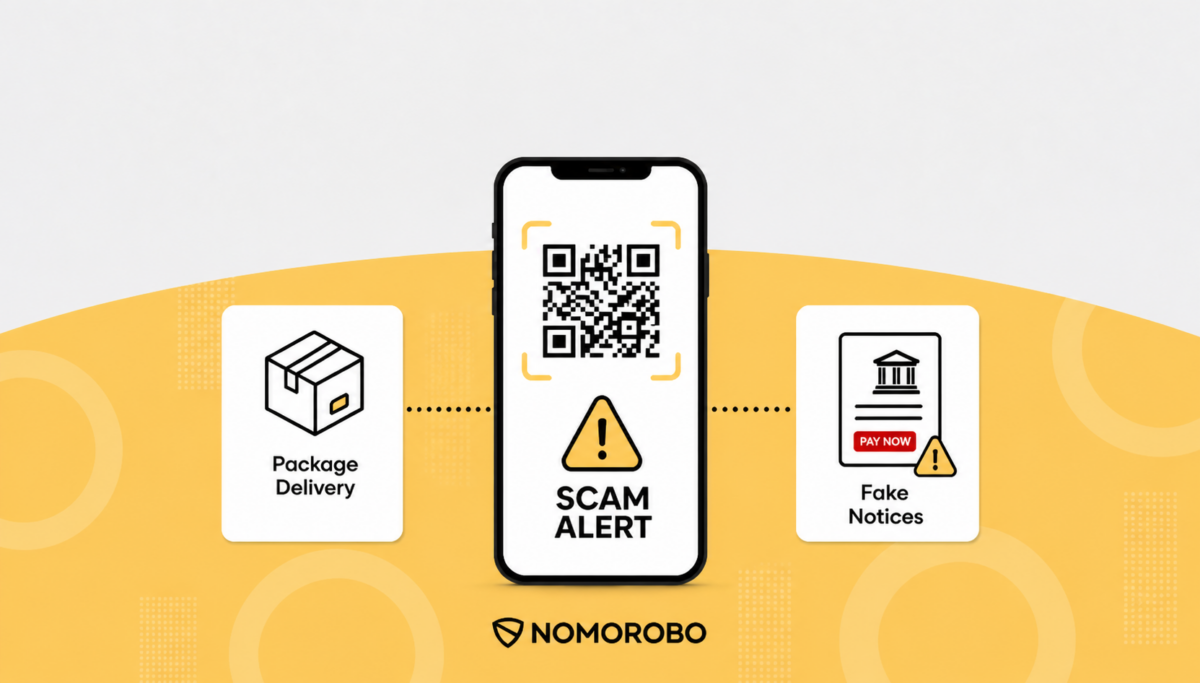
3 QR Code Scams to Watch: Packages, Parking & Tolls
August 24, 2026
How to Turn Off Verizon Call Filter Before Setting Up Nomorobo
September 10, 2026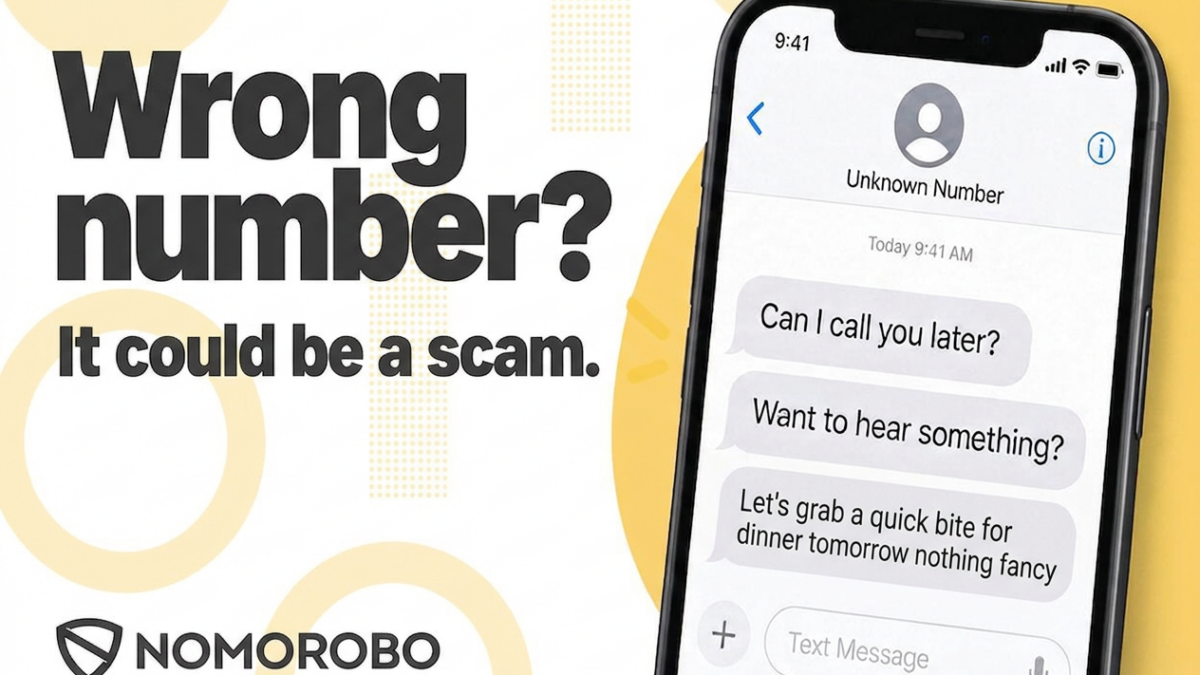
Who's Texting Me Now? A Survey of Consumer Responses to "Wrong Number" Scam Texts
New Research Shows Consumers Are More Likely to Respond to Wrong Number Scam Texts
Introduction - We have all heard news stories about fraud victims who lost tens of thousands of dollars to scammers who gained their trust and then exploited it for financial gain. Consumer fraud is now the number one crime threat in the United States, with consumers losing an estimated $150 billion per year.
While many consumers believe they can spot and resist traditional scam calls, what many may not realize is that scammers are getting better at disguising their pitches to look like anything but a scam call. One emerging tactic is to send fake wrong-number texts.

"Wrong number" or "indirect" text messages are those that appear to be a simple misdial", said Doug Shadel, lead researcher of the study. "But that supposed misdial is often a disguise to get us to lower our guard so we will be more likely to respond...and responding can lead to major financial losses when the person on the other end is a scammer."
Who's Texting Me Now? A Survey of Consumer Responses to Wrong Number Scam Texts
A new study co-sponsored by Nomorobo and Fraud Prevention Strategies, found that consumers are more likely to respond to so-called "wrong number" scam texts than to other, more direct scam texts.
Survey Methodology - To determine how likely consumers would be to respond to various scam texts, researchers presented participants with two types of text messages: indirect, or "wrong number" scam texts and what might be considered more traditional, direct scam texts.
Examples of indirect scam texts include:
"Can I call you later?"
"Would you like to share what you are thinking?"
"I just wanted you to know I am thinking of you"
"Want to hear something?"
Examples of more traditional direct scam messages included:
"You’ve been selected for a limited-time offer. Click to claim before it expires:"
"A refund for $79.99 is processing, but we need you to confirm your payment. Reply “CONFIRM” to receive the secure link and finish in under 2 minutes."
"Congrats! You won a $500 gift card. Claim within 20 minutes: http://gifts-claim-now.site."
"We detected unusual charges on your card. To stop them, reply with the last 4 digits and your ZIP code."
Participants were then asked to respond by answering the question: "If you received a text message like this, how likely would you be to respond to learn more?"
The choices were: Very Likely, Somewhat Likely, Neither Likely or Unlikely, Somewhat Unlikely or Not at All Likely.
The survey was conducted by SurveyMonkey of 1,271 consumers of all ages across the US in July, 2026.
Study Results
The chart below describes how consumers responded to these indirect versus direct text messages.
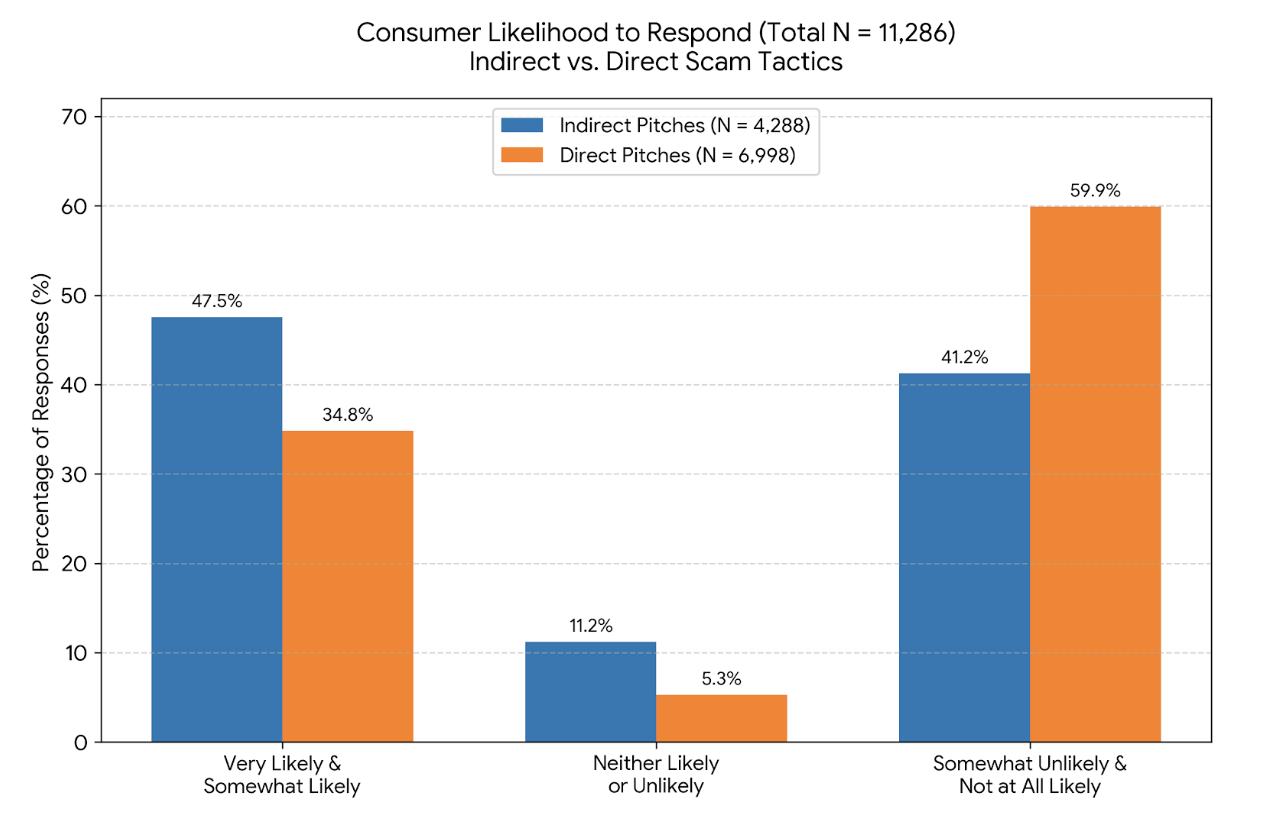
One can see that 47.5% of all consumers said they would be "Very Likely" or "Somewhat Likely" to respond to various indirect scam text messages, compared to only 34.8% who said they would be "Very Likely" or "Somewhat Likely" to respond to more direct scam text messages, a difference of close to 13 percent.
Another way to look at it is the difference in those refusing to respond: 41.2% of all respondents said they would be "Somewhat Unlikely" or "Not at All Likely" to respond to such indirect messages compared to close to 60% who said they would be "Somewhat Unlikely" or "Not At All Likely" to respond to direct scam text messages.
Age May Be a Factor - Breaking down the survey responses by respondent age may reveal more. The chart below shows how 18- 29-year-olds, 30- 44-year-olds, 45- 59-year-olds, and 60+ compare in terms of responding to indirect versus direct text scam messages.
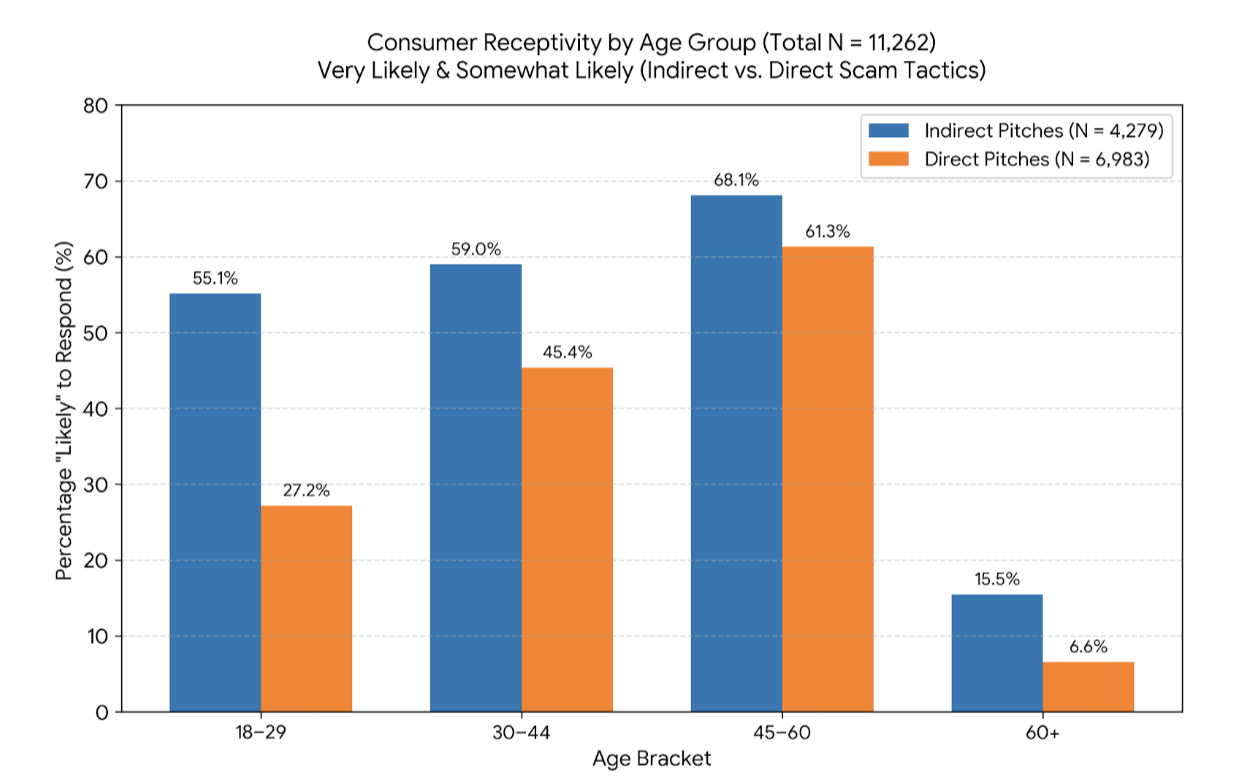
18-29 Year Olds - One can see that the largest gap in response rate by age for indirect versus direct text scam messages is the 18-29-year-old group, with 55.1% saying they would be "Very Likely" or "Somewhat Likely" to respond to indirect text scam messages compared to only 27.2% for direct text scam messages. While young adults appear to quickly filter out explicit scam links, indirect or more casual conversational hooks (e.g., "Can I call you later?") easily bypass their initial defense filter.
30-44 Year Olds - The same is true for 30-44-year-olds, although the marginal difference is quite a bit less than for 18-29-year-olds.
45- 59-year-olds - The group most likely to respond overall to indirect scam text messages was 45-59-year-olds, with nearly 7 in 10 (68.1%) saying they would likely respond. Several factors may contribute to this high response rate. "This age group is often at the peak of their busy lives, with many of them juggling managing kids, taking care of older parents, working full-time, and paying the mortgage", said Matt Mizenko, General Manager of Nomorobo. "This group may be more inclined to respond to vague text messages simply as part of managing a very busy lifestyle."
60 and Older - In contrast, the age cohort that appears most resistant to both indirect and direct scam text messages is those over age 60, a group that is often mentioned as particularly susceptible to scams. In this study, only 15.5% of 60+ participants said they would be likely to respond to an indirect text message and even fewer - 6.6% - would respond to a direct scam text.
Several potential explanations exist. One is that many consumer advocacy groups like AARP have spent years warning older persons about how to avoid consumer scams, so they are very tuned in to looking for signs of fraud. Another explanation is that older people have a narrower circle of acquaintances and their lives often have fewer details to manage, which may make it easier to spot malicious fraud attempts.
Study Limitations
The study's authors acknowledge that responding to a scam text message, by itself, does not guarantee someone will lose money to a scam. But as study lead researcher Doug Shadel said, "Previous research has shown that the opening pitch is a crucial doorway into the scam victimization process and those who walk through that doorway are at significantly greater risk of losing money than those who walk away."
Conclusion
Consumer fraud has become the number one crime threat in the US, and fraudulent robocalls and texts are two of the most common platforms scammers use to commit fraud. So what can we do to avoid becoming a victim?
"Anytime you receive an unsolicited text or robocall message that you did not initiate, no matter how innocent it appears to be, assume it's a scam and walk away", said Matt Mizenko, General Manager of Nomorobo.
Learn More
For more information about how to spot and stop robocalls and text scams, go to Fraud Fighters. For more information about this research, contact Doug Shadel, Managing Director, Fraud Prevention Strategies, LLC at doug@fraudpreventionstrategies.com.