IRS Scam Call Warning (2026 Alert)
How it works, what to do, and real examples
Last updated: April 2026 based on active scam data from Nomorobo
Is the IRS call real?
No. This is a well-known scam where callers impersonate the IRS to threaten legal action and demand immediate payment.
The real IRS does not call people to demand payment or threaten arrest.
Common signs of this scam:
- Claims you owe back taxes
- Threatens arrest, lawsuits, or deportation
- Demands immediate payment
- Requests payment via gift cards, wire transfer, or crypto
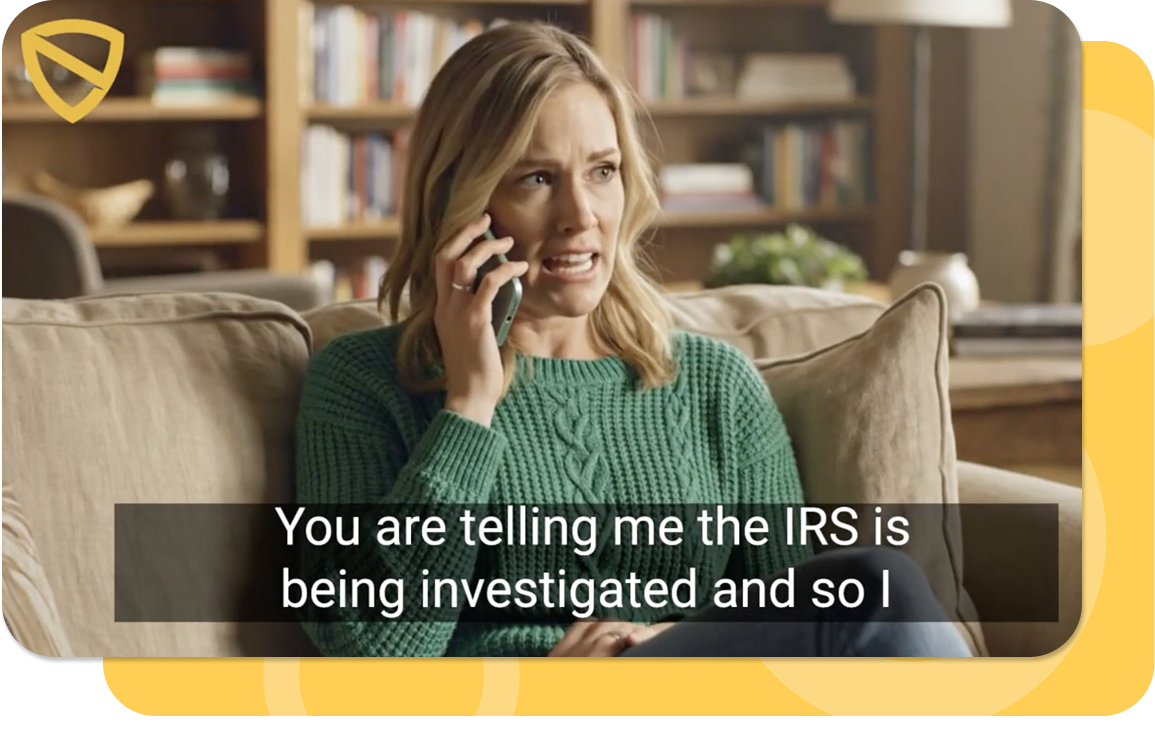
Listen to the real scam call
Real IRS Scam Call (Recorded by Nomorobo)
What to notice in this call:
- Aggressive and authoritative tone
- Immediate legal threats
- Pressure to act without verification
Transcript:
“Investigators have found that US taxpayers have been victims of inflated penalties, interest charges, and unlawful collection practices. Press five to hear more.…”
How this scam works
Scammers rely on fear and urgency to manipulate victims:
- Impersonation
They pose as IRS agents or federal officials - Fear tactics
They claim you owe back taxes or committed fraud - Urgency
They threaten arrest or legal consequences
Payment demand
They push for immediate payment through untraceable methods
How to know it’s a scam
Use this checklist:
- The IRS is demanding immediate payment by phone
- You are threatened with arrest or legal action
- The caller insists you cannot verify the claim independently
- Payment methods requested are unusual (gift cards, crypto, wire transfer)
- Caller ID appears official but cannot be verified
What happens if you respond?
If you engage with the caller:
- You may be pressured into making a payment
- You could be asked for sensitive information (SSN, banking details)
- You may be targeted again in future scams
- In some cases, scammers escalate threats to increase pressure
What to do right now
If you receive an IRS scam call:
- Hang up immediately
- Do not engage or provide any information
- Do not make any payments
- Visit IRS.gov to verify your status
- Report the scam to the IRS or FTC
- Block the number
- Use a call-blocking service like Nomorobo
Seen on national TV
Nomorobo’s Matt Mizenko explains IRS scam calls
IRS scams remain one of the most persistent fraud tactics due to the authority and fear associated with government agencies.
Key takeaway:
Scammers rely on fear to override rational decision-making. Slowing down and verifying information is critical.
How IRS scams work
Fraud Fighters: IRS Scam Explained
A short breakdown of how scammers use intimidation and urgency to manipulate victims.
What Nomorobo is seeing (real data)
Nomorobo’s honeypot network shows:
- IRS scams spike sharply during tax season (January - April)
- Consistent baseline activity throughout the year
- Thousands of calls flagged monthly using IRS-related scripts
Trend:
While the messaging evolves, the core tactics - fear, urgency, and authority - remain consistent.
Frequently Asked Questions
Related scams
- Verizon scam call
- Amazon fraud call scam
- Bank of America impersonation scam
- Apple / iPhone purchase scam