Medicare Fraud Alert: Fake “National Database” Robocalls Flooding Phones
June 3, 2026
Nomorobo on Chicago Interview: Shutdown Scam Calls Surge 250%
June 9, 2026
Fake Delivery Calls and Texts Are Surging During the Holidays
Waiting for a package?
Scammers know that.
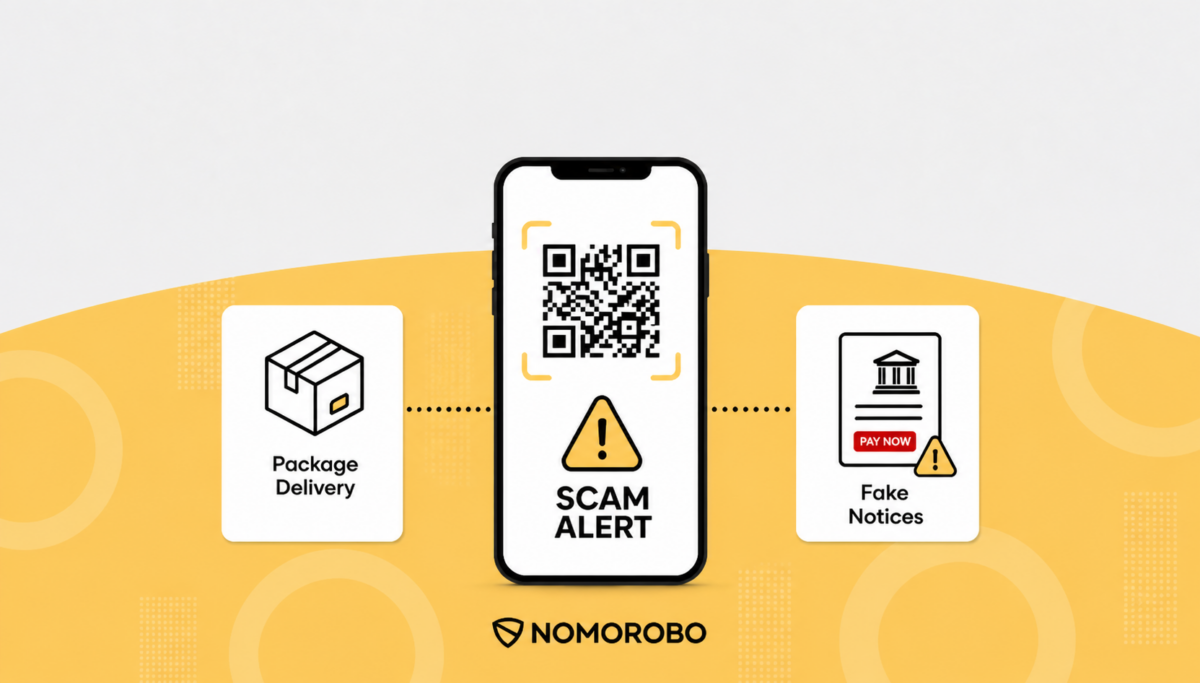
In a recent NBC segment, Nomorobo warned viewers about a surge in holiday-season scam calls and texts. These scams often pretend to be about fake delivery delays, defective products, or fraud prevention alerts.
They may claim to come from a familiar company like Amazon.
But the goal is not to help you track a package.
The goal is to get information from you, your account, or your wallet.
Why Holiday Scams Work So Well
The holidays are busy.
People are shopping online, tracking packages, checking delivery dates, sending gifts across the country, and hoping everything arrives on time.
That creates the perfect opening for scammers.
A fake message about a delayed package can feel believable when you are already waiting for three real ones. A call about a defective product can sound urgent when you just ordered gifts. A “fraud prevention” alert can feel important when your account has been extra active.
Scammers do not need you to be careless.
They just need you to be rushed.
How the Scam Works
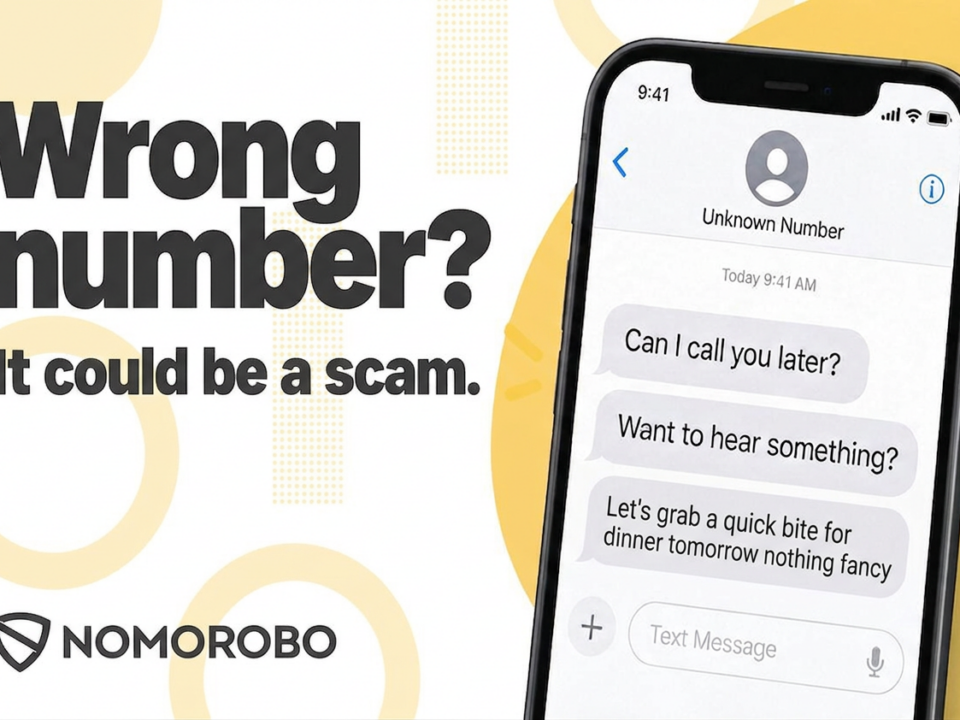
These scams usually start with a text or phone call that sounds like a normal customer service message.
It might say:
- Your package is delayed
- Your address needs to be confirmed
- Your product arrived damaged or defective
- Your account needs fraud prevention verification
- Your order has a problem
- You need to click a link to resolve the issue
The message may include a link, a phone number, or instructions to “verify” your details.
That is the trap.
Once you click, respond, or call back, scammers may try to steal:
- Your login information
- Your credit card number
- Your address
- Your account details
- Your one-time passcode
- Other personal information
A scam that starts with “your package is delayed” can quickly become an account takeover attempt.
Why These Messages Feel So Believable
Holiday scams work because the timing is so good.
Maybe you really are waiting for a gift.
Maybe you really did order from Amazon.
Maybe you really are worried something will not arrive in time.
That is why the message feels personal, even when it is not.
As Nomorobo explained in the segment, these scams play on urgency. People are wondering if a package will arrive before the holiday, if a gift will make it across the country, or if a delivery issue needs to be fixed right away.
Scammers know people are distracted.
And during the holidays, distraction is practically a seasonal tradition.
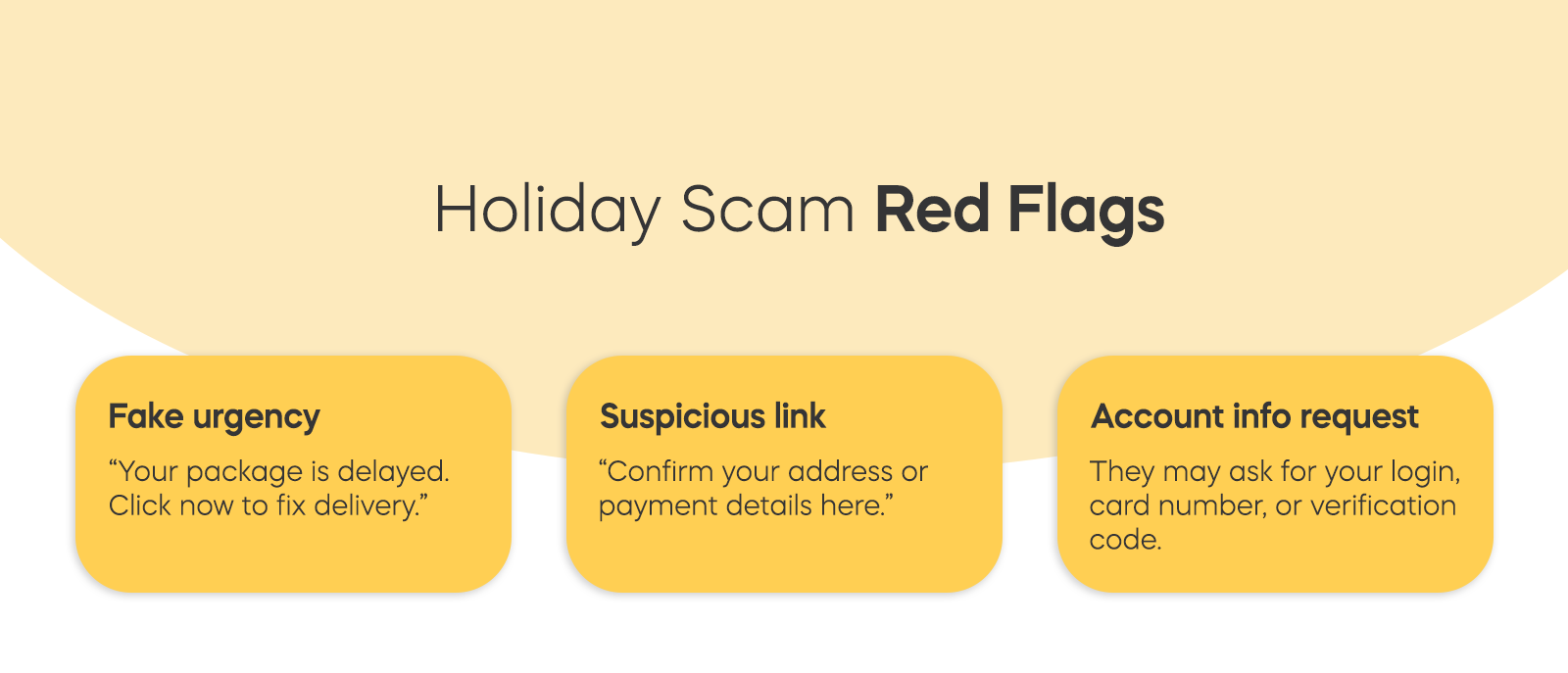
Red Flags of a Holiday Delivery Scam
Be careful if a call or text:
- Comes from an unknown number
- Claims there is an urgent delivery problem
- Mentions a defective product you did not report
- Says your account needs fraud prevention verification
- Includes a suspicious link
- Asks for personal or financial information
- Pressures you to act immediately
- Claims to be from Amazon, USPS, UPS, FedEx, or another trusted company but does not match your real order details
A real delivery problem can wait long enough for you to verify it.
A scammer wants you to panic now.
What To Do If You Get One of These Messages
If you receive a suspicious delivery call or text:
- Do not click the link
- Do not reply
- Do not call the number in the message
- Do not share personal information
- Do not give out passwords or verification codes
Instead, go directly to the company you ordered from.
Open the retailer’s official app or website. Check your order history. Look up the tracking number from your real account. If you need support, contact the company through its official customer service channel.
Never use the link or phone number from a suspicious message.
That is how scammers pull you away from the safe path.
How Nomorobo Helps Stop Scam Calls and Texts
At Nomorobo, we track scam calls and suspicious text messages so consumers can stay ahead of the latest fraud tactics.
Holiday delivery scams are a good reminder that scam calls and texts are not random.
They follow real life.
When people are shopping, scammers send fake delivery alerts.
When people are filing taxes, scammers pretend to be the IRS.
When people are choosing health plans, scammers push fake benefits.
Nomorobo helps block unwanted robocalls, scam calls, and spam texts before they interrupt your day.
Because the safest scam message is the one you never have to deal with.
Want to hear how real scam calls sound? Explore Nomorobo’s Fraud Fighters series for real examples and simple tips to spot the warning signs.
If you receive a suspicious call from an unknown number, you can also use Nomorobo’s phone number lookup tool before calling back.
Stay Protected
Scammers want you rushed, worried, and distracted.
Nomorobo helps you slow the scam down before it starts.
If you get a message about a delayed package, defective product, or fraud prevention alert, pause before you click. Go directly to the retailer or delivery company.
And if you want fewer scam calls and texts reaching your phone in the first place, Nomorobo can help.
Nomorobo’s Spam Text Blocker also helps protect against suspicious text messages, phishing links, and fake delivery alerts.