Tax Relief Robocall Scam Alert
April 2, 2026
Spam Texts Are Catching Up to Robocalls – Charlotte’s WBT-AM / ABC News Radio
April 7, 2026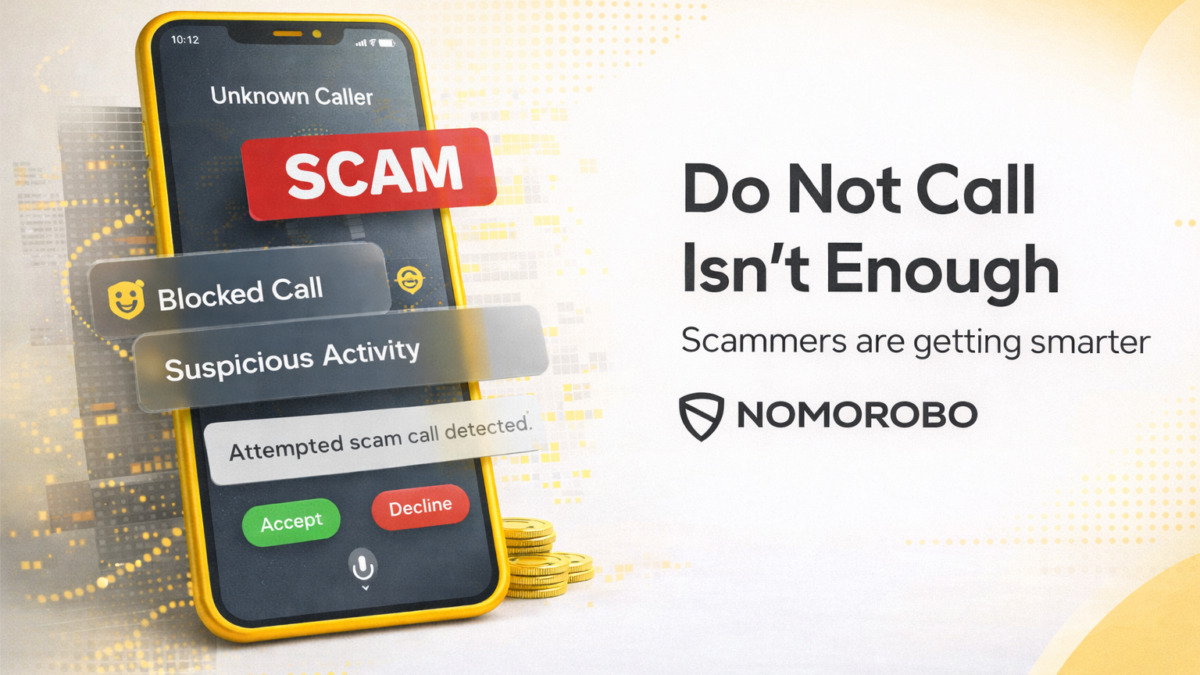
How Robocall Scams Are Evolving
The FTC’s latest Do Not Call report might sound like good news at first glance.
Fewer complaints. Fewer robocalls. Progress, right?
Not exactly.
As our General Manager, Matt Mizenko recently pointed out, what we’re seeing isn’t a slowdown, it’s a shift.
And in many ways, that shift is making scams more dangerous than ever.
The Numbers Look Better… But That’s Not the Full Story
According to the FTC, robocall complaints have declined from their peak. But those numbers only tell part of the story.
The Do Not Call Registry continues to grow, now covering hundreds of millions of phone numbers. And while legitimate companies generally respect it, scammers don’t.
That’s the core issue.
The registry was built to stop legal telemarketing, not fraud. And today, most unwanted calls aren’t coming from legitimate businesses anyway.
From Volume to Precision: How Scammers Are Changing
For years, scammers relied on volume, blasting millions of calls and hoping a few people would bite.
That’s changing.
As Matt Mizenko explained, today’s scammers are shifting from quantity to quality:
- Fewer calls
- Better data
- More convincing attacks
Instead of calling everyone, they’re targeting specific individuals using detailed personal information pulled from data breaches, public records, and AI-powered tools.
Why Personalized Scams Are More Dangerous
This new approach makes scams far more convincing.
Instead of generic scripts, scammers now:
- Reference real personal details
- Tailor their pitch to your situation
- Sound more credible and informed
In some cases, they’ll even read your own information back to you to gain trust, then ask you to “confirm” it.
That confirmation can be enough to:
- Access your accounts
- Reset passwords
- Intercept security codes
What used to take dozens of attempts can now happen in a single, highly targeted interaction.
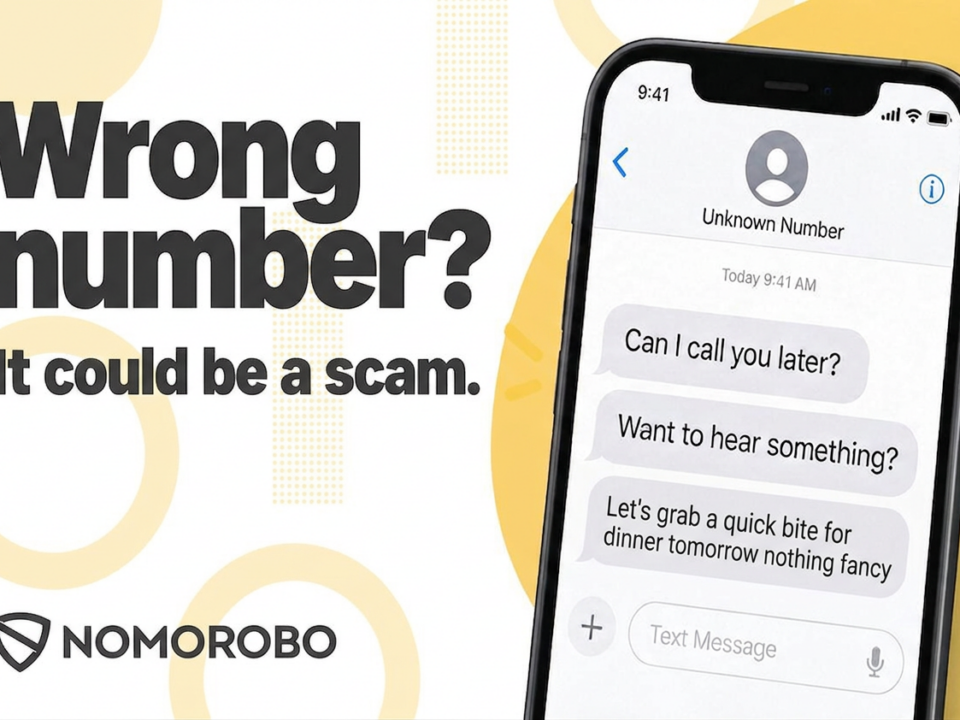
The Rise of Scam Texts
It’s not just calls anymore.
Scammers are increasingly moving to text based attacks, where people are more likely to engage and let their guard down.
Common messages include:
- “You have a virus on your computer”
- “Your bank account has been compromised”
- “You missed jury duty warrant issued”
These messages are designed to trigger urgency, fear, and immediate action.
And unfortunately, they often work.
Who’s Being Targeted the Most?
Older adults remain a primary target.
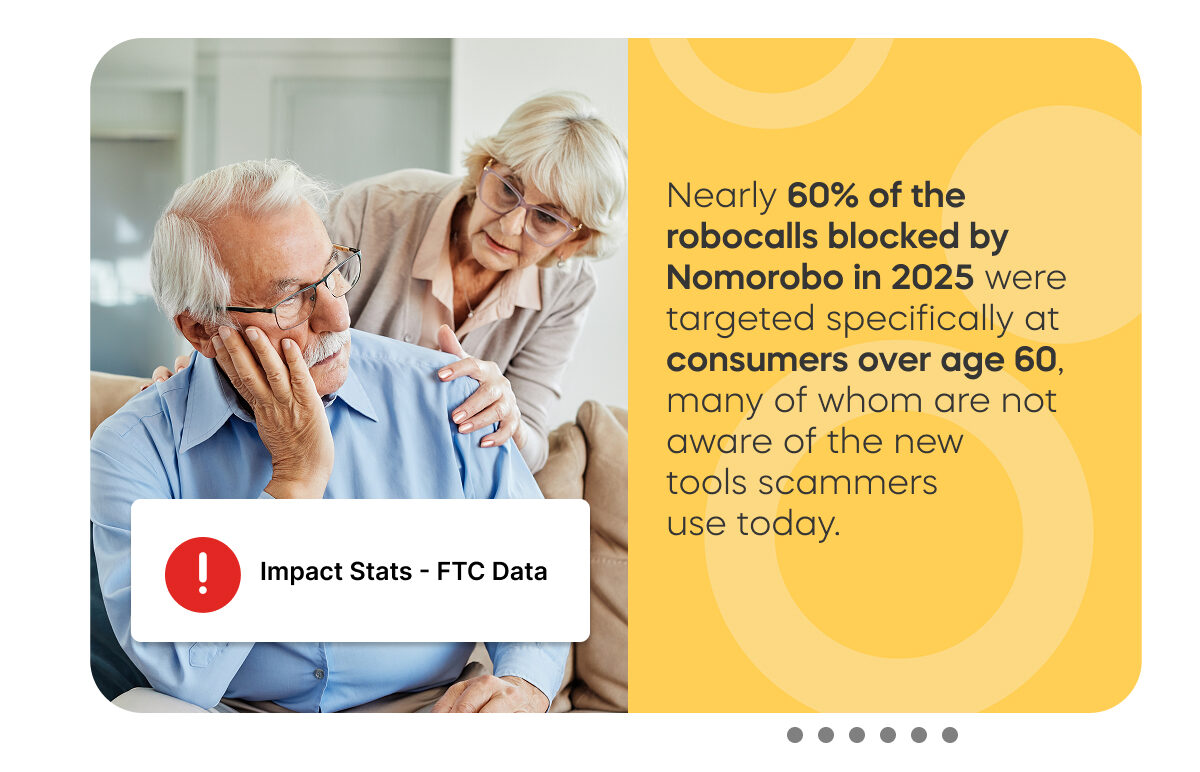
Nomorobo data shows that nearly 60% of robocalls blocked in 2025 were aimed at people over age 60 many of whom may be less familiar with the latest scam tactics.
But the reality is, anyone can be targeted.
If your data exists online (and it almost certainly does), you’re a potential target.
Is the Do Not Call Registry Useless?
Not entirely, but it’s not enough.
The registry still helps reduce legitimate telemarketing calls. But it does little to stop scammers who:
- Ignore regulations
- Spoof phone numbers
- Operate globally
As Matt Mizenko put it, the real issue isn’t just fewer calls, it’s smarter ones.
How to Protect Yourself from Modern Scam Attacks
Here’s what actually helps today:
- Don’t trust unsolicited calls or texts, even if they seem personalized
- Never share sensitive information over the phone or via text
- Verify independently, contact companies directly using official channels
- Be cautious with urgency, scammers rely on pressure tactics
And most importantly:
If something feels off, it probably is.
How Nomorobo Helps You Stay Protected
Technology is evolving and so are we.
Nomorobo blocks robocalls in real time using data from hundreds of thousands of sources. Our tools analyze patterns, detect threats, and stop scams before they reach you.
With Nomorobo Max and Spam Text Blocker, you get:
- Call screening before you answer
- Automatic blocking of known scam calls
- Protection from dangerous spam texts
- Custom filters for added control
Because in a world where scams are getting smarter, your protection should too.
Robocalls may be down but risk is not.
Today’s scams are more targeted, more convincing, and harder to detect.
Your best defense isn’t just fewer calls, it’s smarter protection.