Spear Phishing Robocall Scam Alert: Verizon Fraud Calls Explained
April 30, 2026
Nomorobo and AARP Collaborate to Help Protect Americans from Scam Calls and Texts
May 6, 2026
Spam Texts Are Catching Up to Robocalls
Robocalls are still a problem. But according to Nomorobo's Managing Director, Matt Mizenko, scam texts are getting very close to taking over.
In a recent interview on Denver’s KOA-AM / ABC News Radio, Matt explained that unwanted texts are nearing a 50/50 split with scam calls and could soon become the bigger threat. That shift matters because texts often feel more casual, more personal, and easier to trust than a mystery call from an unknown number.
Listen to the audio:
How Nomorobo Got Started
Matt shared that Nomorobo began as a landline call-blocking service. Founder Aaron Foss built an early system using simultaneous ring technology, allowing calls to be checked against a database of known bad numbers before they ever fully reached the customer.
That early idea became the foundation for Nomorobo’s mobile protection tools, including Nomorobo Max, which adds smart screening for suspicious callers, and Nomorobo’s broader call and text protection platform. Nomorobo Max is built to stop scam calls and texts before they reach your phone.
Why texts are getting worse
Matt’s point was simple: scammers adapt fast. A few years ago, many of them relied on brute force, spoofing local numbers and blasting calls across an area code.
Now they are using AI to build profiles, gather personal details from the web and dark web, and make their outreach sound more believable. As Matt explained, scams are confidence games. The more a scammer seems to know about you, the more likely you are to trust them and start filling in the blanks yourself.
Why those random texts are dangerous
The host brought up the vague messages so many people get: “Hey, how are you?” or “Are you available for a moment?”
Matt explained that the goal is to get you engaged. Once you reply, scammers often try to move the conversation away from your normal text app and into platforms like WhatsApp or Telegram, where it is easier to send links, fake pages, and other traps with less visibility from carriers or third-party protections.
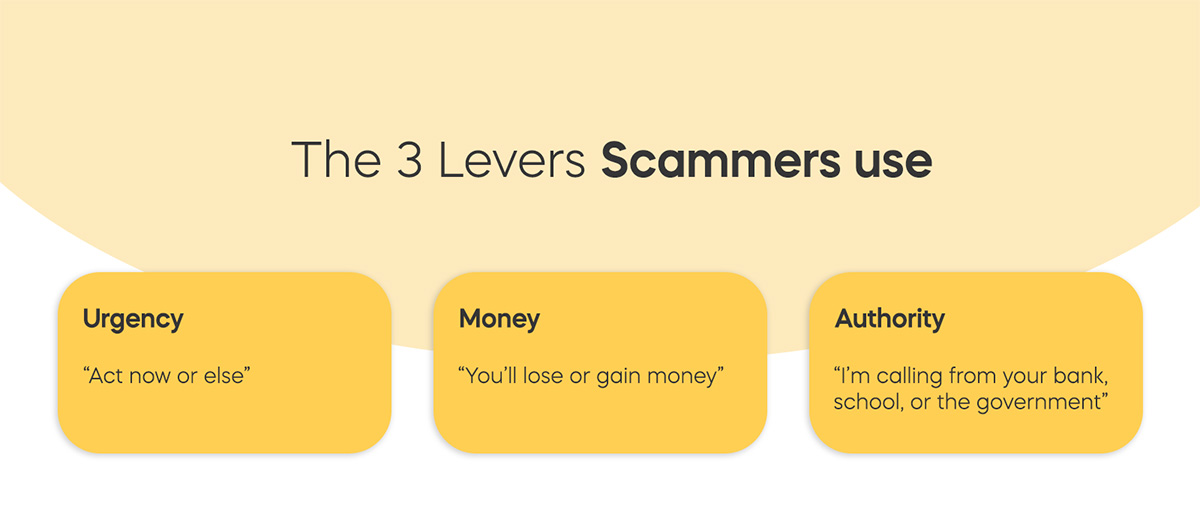
The three levers scammers use
Matt said scammers usually rely on three things:
- Urgency
- Authority
- Financial loss or gain
Urgency is the most dangerous. If someone is pushing you to act right now, that is your cue to slow down. Matt’s advice was to step back, verify another way, and avoid making decisions while someone is pressuring you.
That is also where tools like Spam Text Blocker and Nomorobo Max fit in. Nomorobo says its text blocker is designed to filter spam and fraudulent texts, while Nomorobo Max adds screening for unknown callers and layered fraud protection.
What to do if something feels off
Matt’s advice was practical: do not answer on impulse, do not click links, and do not move a conversation to another app just because a stranger asks you to.
A good next step is to use trusted resources. Nomorobo’s Fraud Fighters hub offers real scam recordings and guidance on current fraud tactics, and the Nomorobo phone number lookup tool can help you check unfamiliar callers. For broader consumer guidance, the FTC’s scam advice and the AARP Fraud Watch Network are both solid places to start.
Take Back Control of Your Phone
When asked whether the app can really help, Matt said yes. He described a two-step approach: block numbers already known to be bad, then screen unfamiliar callers by asking them to say who they are and why they are calling.
Scammers are adapting fast. They are using AI, shifting toward texts, and trying harder than ever to sound believable.
That is why the best defense is still the simplest one: slow down, verify, and put protection in place before the next scam gets through.
Try Nomorobo today to help block spam calls, filter scam texts, and make your phone useful again.