Why Do Not Call Isn’t Enough
April 4, 2026
Spam Texts Are Catching Up to Robocalls
Robocalls are still a huge nuisance, but scam texts are quickly becoming just as dangerous.
In a recent appearance on Charlotte’s WBT-AM / ABC News Radio, Nomorobo's Managing Director, Matt Mizenko, explained how phone scams are evolving, why AI is making them more convincing, and what consumers can do to protect themselves.
Listen to the audio:
How Nomorobo Got Started
As our Managing Director, Matt Mizenko, shared during the interview, Nomorobo began as a landline call-blocking solution after founder Aaron Foss developed award-winning technology for an FTC contest in 2015.
The early system checked incoming calls against a database of known bad numbers before they reached the user. That innovation helped launch Nomorobo, which has since grown into a broader solution for blocking spam calls and texts.
Why Scam Texts Are Growing So Fast
For years, robocalls were the main threat. But Matt noted that scam texts are now catching up fast and could soon overtake calls as the scammer’s preferred method.
Why the shift? Texts are easier to personalize, easier to scale, and often harder to spot right away.
Scammers are also using AI to gather information from the web and build more convincing profiles of potential victims. The more they appear to know about you, the easier it is for them to gain trust.
And that’s what most scams really are: confidence tricks.
Why Random Texts Are Not Harmless
Messages like these may seem silly, but they’re often the opening move in a scam:
- “Hey, how are you?”
- “Are you available for a moment?”
- “Is this the right number?”
The goal is to get you talking. Once you respond, scammers often try to move the conversation to apps like WhatsApp or Telegram, where they can send suspicious links, fake websites, and other traps with less oversight.
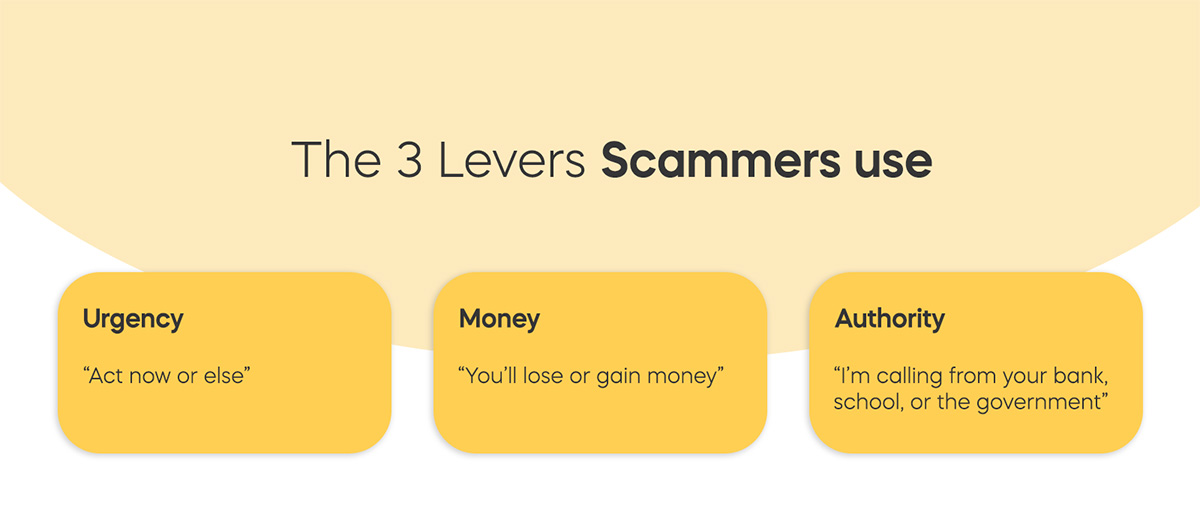
The 3 Things Scammers Use Against You
Matt said scammers usually rely on three pressure points:
- Urgency - Act now or face a problem
- Money - Avoid a loss or claim a reward
- Authority - Trust me, I’m from your bank, school, or the government
The most dangerous one is urgency. If someone is pressuring you to act immediately, that’s usually your signal to slow down.
Matt’s Best Advice: Pause and Verify
If a call or text feels rushed, threatening, or just plain strange, don’t respond on the spot.
Instead:
- Pause
- Don’t click links
- Don’t share personal information
- Verify through an official website or phone number
- Avoid moving the conversation to another messaging app
A real company won’t mind if you take a minute to confirm. A scammer is counting on you not to.
How Nomorobo Helps
When asked whether the Nomorobo app can really help with spam calls and texts, Matt said yes.
Nomorobo uses a two-layer approach:
- It blocks numbers already known to be bad
- It screens unfamiliar callers and helps determine whether they’re legitimate
Matt noted that Nomorobo delivers around 99% accuracy, helping users avoid scam calls before they turn into bigger problems.
Take Back Control of Your Phone
Scammers are getting smarter, especially during busy times of year when people are distracted and more likely to react quickly.
That’s why the best defense is simple: slow down, verify, and use tools that help block bad actors before they get through.
Try Nomorobo today to help stop spam calls and scam texts before they waste your time, or worse.