

Area Code Spoofing Surges 50% in 2025
November 5, 2025
Nomorobo Takes Fraud Awareness Week by Storm
November 10, 2025
How to stay safe from scammers and swindlers
From Broad Attacks to Targeted Scams
“The scope of the problem continues to be pretty broad,” said Matt Mizenko, General manager at Nomorobo.
According to Mizenko, today’s scammers are no longer relying on mass robocalls alone. Instead, they are shifting toward highly targeted attacks designed to exploit trust and familiarity.
“In the old days, scammers would use a carpet bombing approach,” Mizenko explained. “What we see now are really targeted scams, where the scammers take information from data breaches and build a profile before ever making contact.”
That profile may include a victim’s workplace, partial Social Security number, or financial details, information then used to impersonate trusted institutions like banks or brokers. From there, what follows is often a classic confidence scam.
Why Seniors Are at Higher Risk
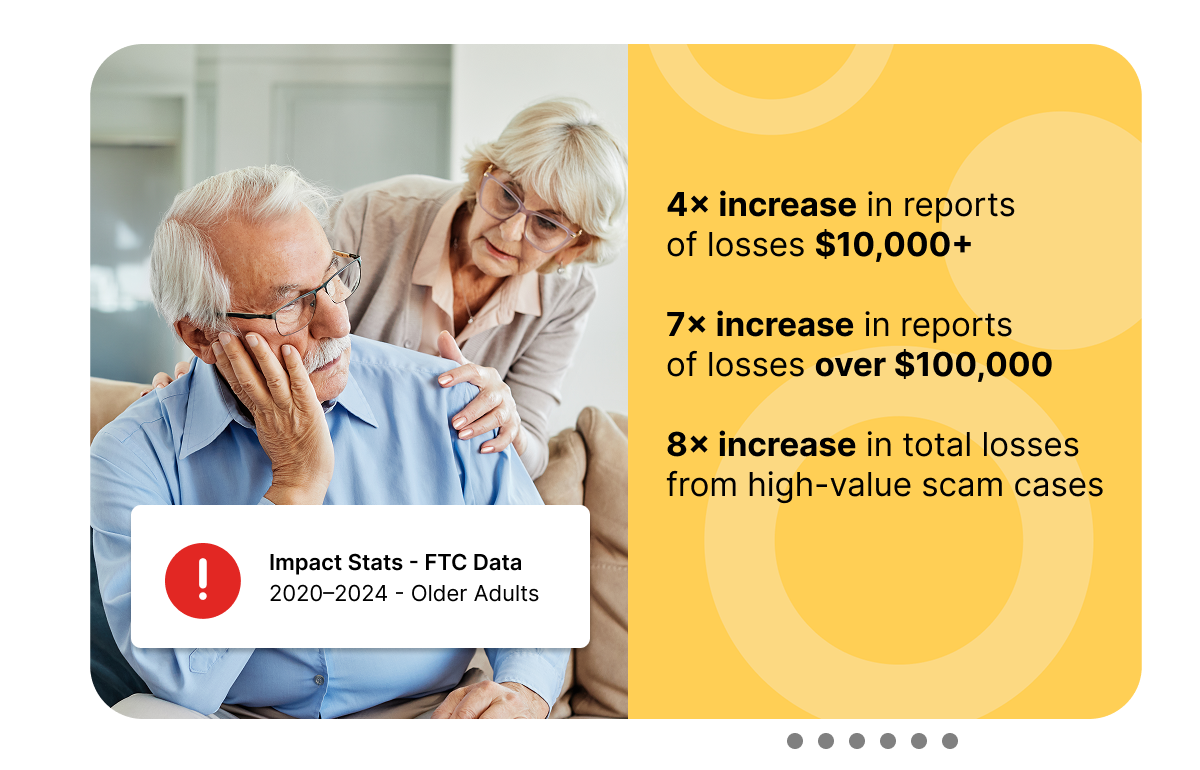
Experts say older adults remain a primary target. According to data from the Federal Trade Commission, the impact of these scams has grown sharply in recent years.
From 2020 to 2024:
-
Reports from older adults losing $10,000 or more increased more than fourfold
-
Reports involving losses over $100,000 rose nearly sevenfold
-
Total reported losses in these high-value cases increased eightfold
These figures reflect not only financial harm, but also the emotional toll on victims and their families.
How Nomorobo Tracks Emerging Threats
Nomorobo works to identify and stop scams before they reach consumers. The company operates a proprietary honeypot monitoring system that tracks activity across more than 300,000 phone lines daily, allowing it to detect emerging scam patterns in real time.
In addition to blocking robocalls and scam texts, Nomorobo has taken legal action against companies alleged to have violated the Telephone Consumer Protection Act, using its data to support lawsuits against bad actors.
Advice for Seniors and Families
Mizenko shared several practical tips for avoiding scams:
-
Be skeptical of urgency. Messages that demand immediate action are often designed to pressure victims into making mistakes.
-
Verify independently. If someone claims to represent a bank or government agency, hang up and call the organization directly using a trusted number.
-
Never share personal information with someone who initiates contact by phone or text.
“If something feels too good or too strange to be true, it probably is,” Mizenko said.
Awareness Remains Critical
As scammers adopt new tools, including artificial intelligence and data harvested from breaches, experts stress that awareness is just as important as technology.
“The tools people use to commit these crimes are wide and varied,” Mizenko noted. “A lot of good and trusting people get taken for a ride because they’re simply too trusting.”
Nomorobo continues to share information about active scams through its Fraud Fighters resource, which tracks real-world scam activity and provides guidance for consumers.
Consumers can also report suspected fraud to the Federal Trade Commission.