

IRS Tax Scam Calls Surge 400% as Tactics Turn More Aggressive
February 21, 2026
IRS Scam Calls Spike During Tax Season
A new wave of robocalls impersonating the Internal Revenue Service is targeting taxpayers, using fear, urgency, and official sounding language to pressure people into giving up personal information.
In a recent report from NBC 10 Boston, Nomorobo warned that scammers are dramatically increasing their activity during tax season.
According to Nomorobo, fraudulent calls and messages mentioning the IRS have surged sharply in recent months.
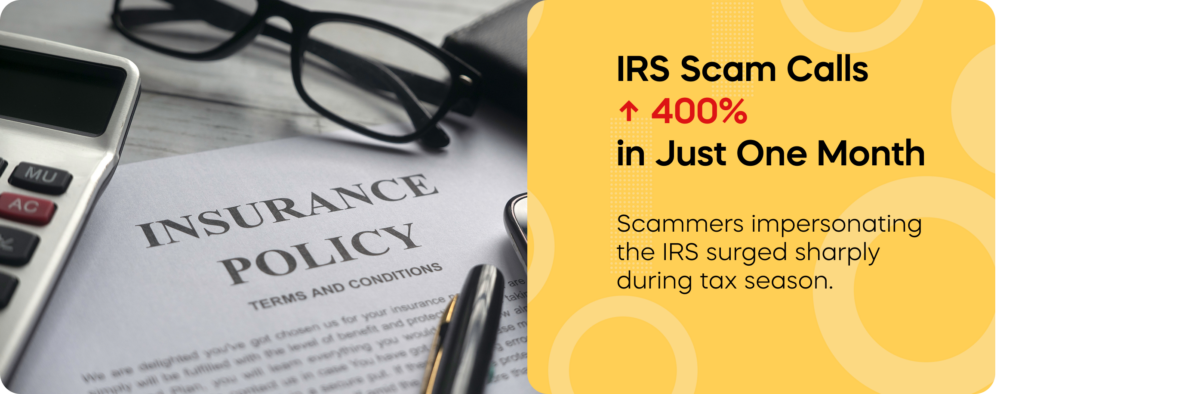
Between December and January alone, there was a 400% increase in scam calls and a 50% increase in scam text messages referencing “IRS,” “Internal Revenue Service,” or “taxes.”
👉 Watch the full NBC 10 Boston report on Youtube: https://www.youtube.com/watch?v=e6iYTh0sMlc
How the Scam Works
These scams often rely on a combination of psychological tactics designed to push victims into acting quickly.
According to Nomorobo experts, scammers commonly use:
-
Authority - pretending to represent a government agency
-
Urgency - insisting the victim must act immediately
-
Financial threats - warning of legal action or penalties
Some robocalls promise help with tax relief programs or claim the IRS is following up on a previous request.
Other messages take a more aggressive tone, warning the recipient that their “tax situation is delinquent” and threatening legal consequences if the issue is not resolved quickly.
AI and Personal Data Make Scams More Convincing
Fraudsters are also using new technology to make these calls sound more legitimate.
According to Nomorobo, scammers may use artificial intelligence to generate more natural sounding voices and scripts. They may also reference personal details about the target, such as a name or address, to create a false sense of credibility.
Once a victim begins engaging with the caller, scammers attempt to gather additional personal or financial information.
What the Real IRS Will Never Do
Despite the threatening language used in these calls, consumer experts say the messages are not legitimate.
The IRS does not initiate first contact with taxpayers by phone.
Instead, official communication from the IRS begins with a letter sent through the mail.
Anyone receiving an unsolicited call claiming to be from the IRS should ignore the message and verify any tax related concerns directly through the official IRS website.
Experts also recommend speaking with a qualified tax professional before making any payments or responding to unexpected tax claims.
Nomorobo continues to track active scam campaigns and publish alerts through its Fraud Fighters resource:
👉 https://www.nomorobo.com/fraudfighters