
Spam Texts Are Catching Up to Robocalls – Charlotte’s WBT-AM / ABC News Radio
April 7, 2026
IRS Warning on Fake Calls Before Tax Day
With Tax Day just around the corner, scammers are ramping up their efforts and this year, they’re more convincing than ever.
In a recent segment on Good Morning America, the IRS warned that AI-powered scam calls are on the rise, using realistic voices and official-sounding language to trick taxpayers.
Nomorobo even captured one of these calls giving a firsthand look at how sophisticated these scams have become.
See the full breakdown below or click here to see it on Youtube.
Why Tax Season Is Prime Time for Scammers
Tax season creates the perfect storm:
- Deadlines are looming
- People are stressed
- Money is on the line
That urgency makes it easier for scammers to step in and exploit confusion.
And now, with AI, they’re doing it better than ever.
How the AI Tax Scam Works
In the example featured on Good Morning America, the scam starts with an automated call that sounds calm, professional, and official:
“This is a priority call… regarding a matter tied to your tax record…”
The message goes on to reference real IRS terminology, like:
- “Currently Not Collectible” status
- “Tax relief programs”
- “Limited availability”
It all sounds legitimate.
That’s the point.
Why These Calls Feel So Real
Today’s scammers aren’t guessing, they’re informed.
Using AI and publicly available information, they can:
- Reference real IRS programs
- Use accurate financial terminology
- Mimic professional tone and delivery
As highlighted in the segment, these calls are designed to sound calm and helpful, not aggressive, making them even more convincing.
And if you already owe taxes?
That message might feel personal.
The Stakes Are Higher Than Ever
This isn’t just about nuisance calls anymore.
According to the FTC:
- Losses of $100,000+ per victim are increasing
- Overall fraud losses have surged 430% in the past six years
Scammers are making fewer calls but getting bigger payouts.
Red Flags to Watch For
Even the most realistic scam has warning signs.
Be cautious if a caller:
- Claims to be from the IRS but contacts you by phone, text, or email
- Creates urgency (“act now” or “slots are filling up”)
- Promises special tax relief or debt programs
- Pressures you to respond immediately
Important: How the IRS Contacts You
This is critical:
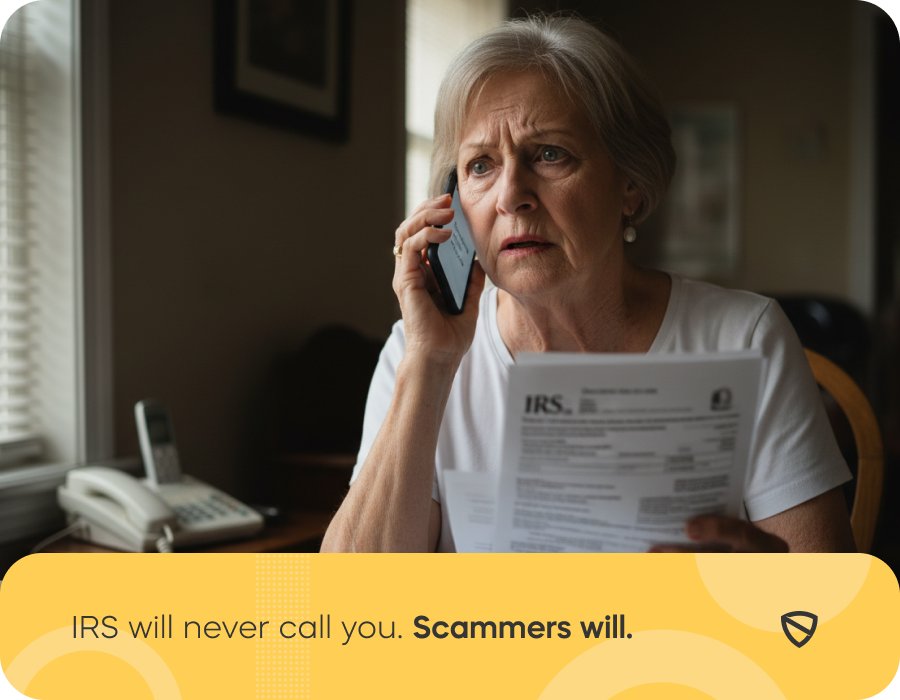
👉 The IRS will NOT contact you by phone, text, email, or social media.
Official IRS communication happens:
- By mail
- Through formal written notices
So if you get a call?
It’s almost certainly a scam.
What to Do If You Get One of These Calls
If you receive a suspicious message or call:
- Do not respond
- Do not press any buttons
- Do not share personal or financial information
Instead:
- Report it here
- Verify your status directly through official IRS channels
How Nomorobo Helps Stop These Scams
At Nomorobo, we don’t just block scam calls, we expose how they work.
Our technology:
- Detects and blocks robocalls in real time
- Identifies scam patterns using large scale data
- Stops suspicious calls before they reach you
That means fewer interruptions and fewer chances to fall for a convincing scam.
AI is making scams more believable.
But the rules haven’t changed.
If it feels urgent, unexpected, and too official over the phone, it’s probably not real.
Stay skeptical. Stay informed. Stay protected.