Fraud Fighter Alert: “Tariff Refund” Scam Likely Incoming
February 20, 2026
IRS Scam Calls Spike During Tax Season
March 6, 2026
IRS Tax Scam Calls Surge 400% as Tactics Turn More Aggressive
Scammers are escalating their tactics this tax season, with a sharp spike in aggressive robocalls impersonating the IRS. In a recent CBS News Philadelphia report, Nomorobo revealed a dramatic increase in fraudulent calls threatening arrest, lawsuits, and legal action.
👉 Read the full CBS News report here:
https://www.cbsnews.com/philadelphia/news/tax-relief-scam-calls-irs-phishing-vishing/
The full NBC News report featuring Nomorobo’s Fraud Fighters is available to watch here:
https://www.youtube.com/watch?v=VhBLwvCd1Ts
IRS Themed Scam Calls Spike 400%
According to Nomorobo, scam calls impersonating the Internal Revenue Service have increased by 400% since January. These calls specifically mention “IRS,” “Internal Revenue Service,” or “taxes,” and often use threatening language to pressure victims.
One intercepted robocall warned:
“A criminal case has been registered against you for your tax evasion.”
Nomorobo monitors hundreds of thousands of dormant phone lines to detect scam activity before it reaches consumers. When a suspicious call hits one of those inactive lines, it can be flagged and blocked before it ever rings a subscriber’s phone.
“We’re seeing a lot more aggressive tactics,” said Matt Mizenko, General Manager of Nomorobo.
“They’re not tap dancing around it anymore. They’re coming straight for the throat.”
How the Scam Works
Unlike older tax scams that promised refunds or tax assistance, current campaigns rely heavily on fear.
Scammers:
-
Threaten arrest or legal action
-
Claim a lawsuit or lien has been filed
-
Attempt to collect credit card or bank details
-
Direct victims to fake IRS websites
In some cases, callers are also attempting “phishing”, trying to extract sensitive financial information directly.
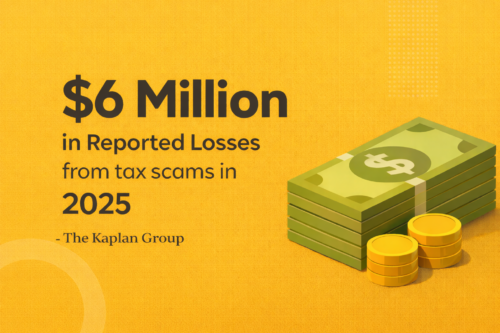
According to a newly released study from The Kaplan Group, tax scams resulted in nearly $6 million in reported losses in 2025.
What the Real IRS Will Never Do
Consumer experts emphasize that legitimate IRS agents do not:
-
Threaten arrest or legal action over the phone
-
Promise unexpected refunds
-
Ask for credit card or banking details by phone, text, or email
-
Demand payment through links sent via text or email
Scammers may spoof caller ID to make it appear as though the call is coming from the IRS. The safest action is to hang up and manually contact the IRS using the number listed at:
👉 https://www.irs.gov
👉 https://reportfraud.ftc.gov
Only IRS websites and email addresses ending in .gov should be trusted.
AI Makes Fake IRS Pages Harder to Spot
Officials warn that artificial intelligence is now being used to mirror real government websites, making phishing pages more convincing than ever.
As tax season continues, consumers are urged to avoid engaging with suspicious callers and independently verify any claims through official IRS channels.
Nomorobo continues to track active scam campaigns and publish alerts through its Fraud Fighters resource:
👉 https://www.nomorobo.com/fraudfighters