
Holiday Scams Spike: Fake Delivery Texts and Celebrity Impersonators
January 29, 2026
Nomorobo Fraud Fighters on NBC News: How Scammers Trick Millions of Americans
February 2, 2026
AI and Lawsuits Offer New Hope Against Robocall Scams
Despite stricter regulations and years of consumer complaints, illegal robocalls and scam texts continue to plague Americans. According to consumer advocates, billions of unwanted calls still reach phones every year, making robocalls the top consumer complaint to the FCC.
A recent report highlighted by KOMO News and consumer watchdogs explains why the problem persists and why a new combination of artificial intelligence and legal action may finally be shifting the tide.
Why Robocalls Keep Working
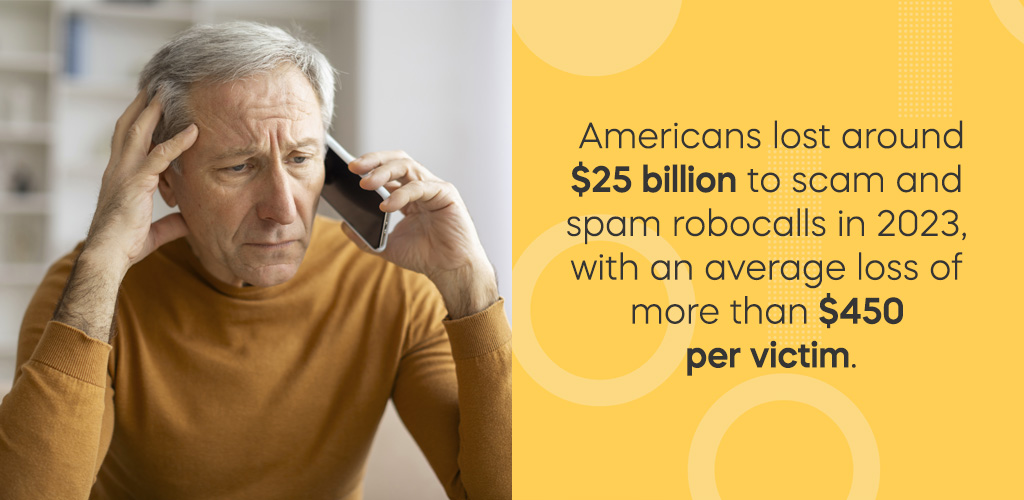
Fraudsters rely on robocalls because they remain effective. Data cited in the report shows Americans lost around $25 billion to scam and spam robocalls in 2023, with an average loss of more than $450 per victim.
While consumers technically have the right to sue robocallers under the Telephone Consumer Protection Act (TCPA), enforcement has been difficult. Robocallers constantly change tactics, spoof numbers, and exploit gaps in the phone system.
A Different Approach from Nomorobo
Nomorobo, the robocall blocking service launched in 2013, has taken a more aggressive stance. Using its proprietary honeypot monitoring system, a network of nearly 300,000 inactive phone numbers that capture illegal calls, Nomorobo identified what it says are major TCPA violators.
Last year, Nomorobo filed lawsuits against four large debt collection companies it alleges repeatedly violated federal robocall laws.
“Because we have this data set, and because it’s our mission to protect consumers, we thought this was the right time to act,” said Matt Mizenko, General Manager of Nomorobo.
Nomorobo is seeking treble damages of up to $1,500 per illegal call, as allowed under the TCPA in cases of willful violations.
Can a Company Sue Robocallers?
Consumer advocates are watching closely. Some say Nomorobo’s legal strategy could set an important precedent.
“If successful, this could encourage companies to think twice before launching illegal robocall campaigns,” said John Breyault, National Consumers League
Nomorobo’s attorney argues Congress intended the TCPA to allow anyone harmed by illegal robocalls, including businesses, to take legal action.
AI: Part of the Problem and the Solution
The report also notes that scammers are increasingly using AI-generated voices to sound more convincing. At the same time, major tech companies like Google and Apple are deploying AI tools to detect and block suspicious calls earlier.
Still, experts agree consumers must remain cautious.
“When in doubt, let it go to voicemail,” said fraud expert Adam Levin. “And never share sensitive information with unexpected callers.”
How Consumers Can Protect Themselves
Experts recommend a few simple rules:
-
Don’t trust caller ID because numbers can be spoofed
-
Let unknown calls go to voicemail
-
Never share personal or financial information
-
Don’t send payments via gift cards, crypto, or peer to peer apps
-
Use call blocking tools from carriers or third party services
Learn more about how Nomorobo helps block scam calls before they reach your phone at https://www.nomorobo.com/fraudfighters
Read the full consumer report via KOMO News and Checkbook coverage.