
IRS Scam Calls Spike During Tax Season
March 6, 2026
Robocalls Still America’s Top Consumer Complaint
March 28, 2026
Watch the Report
A new consumer alert from ABC Philadelphia is warning about a surge in scams connected to the government shutdown. Criminals are using robocalls and text messages to target consumers with fake offers related to food assistance benefits and health insurance enrollment.
The report includes real scam calls captured by Nomorobo and highlights the tactics fraudsters are using to pressure victims into sharing personal information.
Watch the full report below.
Government Shutdown Scams Spike in Philadelphia
According to the report, the top two scams currently circulating involve SNAP benefits and open enrollment for Affordable Care Act plans and Medicare.
Scammers are contacting consumers with automated calls that promise additional benefits or emergency financial assistance.
Some calls claim the recipient has become eligible for free groceries, gas, prescriptions, or a monthly stipend tied to a Medicare Advantage plan.
Others target SNAP recipients with urgent messages claiming benefits have been reduced, but that replacement funds are available.
Fake Benefits and “Emergency Funds”
In one recorded robocall shared in the report, scammers claim most SNAP households will receive only part of their benefits and that emergency funds have been secured for the victim.
The message pressures people to act quickly:
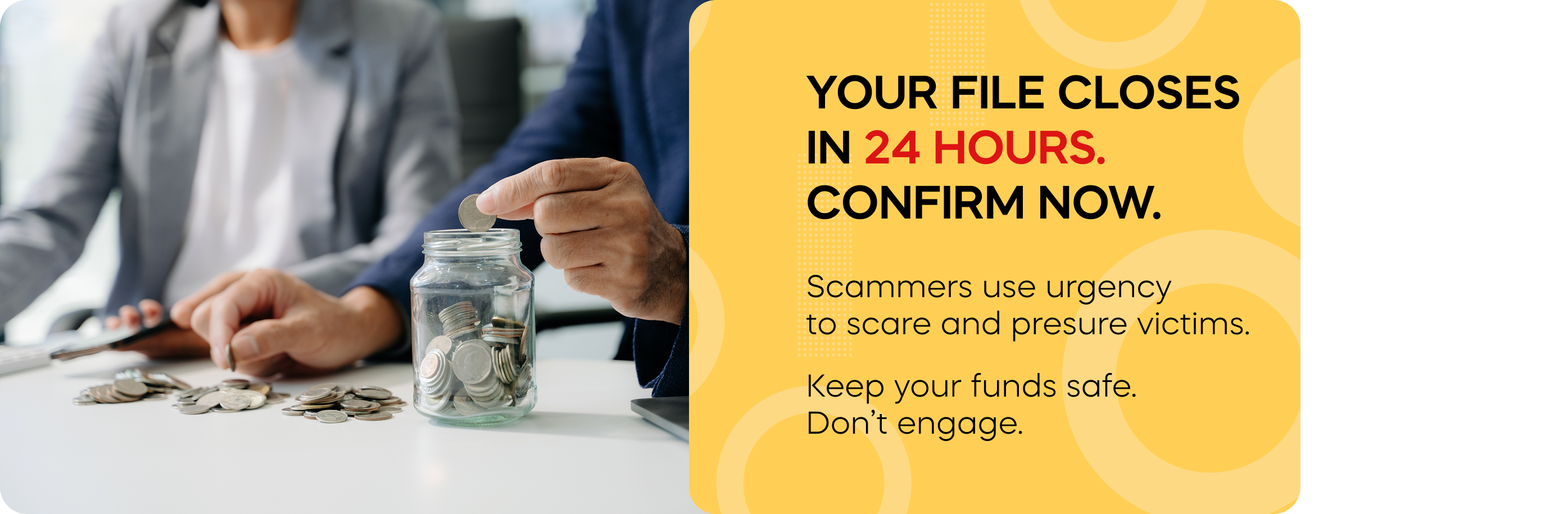
“Press one now to confirm your eligibility and receive a secure link. Your file closes in 24 hours.”
That sense of urgency is a major red flag.
Experts warn consumers not to press any buttons during suspicious robocalls, as interacting with the system can expose personal information or confirm that the phone number is active.
Why These Scams Are Dangerous
Scammers often rely on fear and urgency to pressure victims into responding before they have time to verify the message.
In some cases, fraudsters may even enroll consumers in plans, but take hidden fees or commissions that leave victims paying significantly more than expected.
The ultimate goal is to obtain personal or financial information from the victim.
How to Protect Yourself
Matt Mizenko, General Manager of Nomorobo, shared three simple rules to follow when dealing with suspicious calls:
1. Never give out personal information.
Sharing sensitive details can expose you to identity theft or financial fraud.
2. Hang up if something feels strange.
If the call seems unusual or confusing, it’s safer to end the conversation immediately.
3. Spread the word.
Let friends and family know about the scam so they can avoid falling victim.
He also warns consumers not to press any buttons during suspicious robocalls, since interacting with the system may confirm your phone number is active.
Consumers are encouraged to report scam calls at https://www.donotcall.gov and share their experiences to help raise awareness.
Learn more about how Nomorobo helps block scam calls and texts before they reach your phone at https://www.nomorobo.com/fraudfighters.